Collective Design Collective Living
What is the potential relevance of emerging forms of machine learning to a participatory design process between human <> human as well as human <> non-human collaborators? How might the role of the architect change as a result?
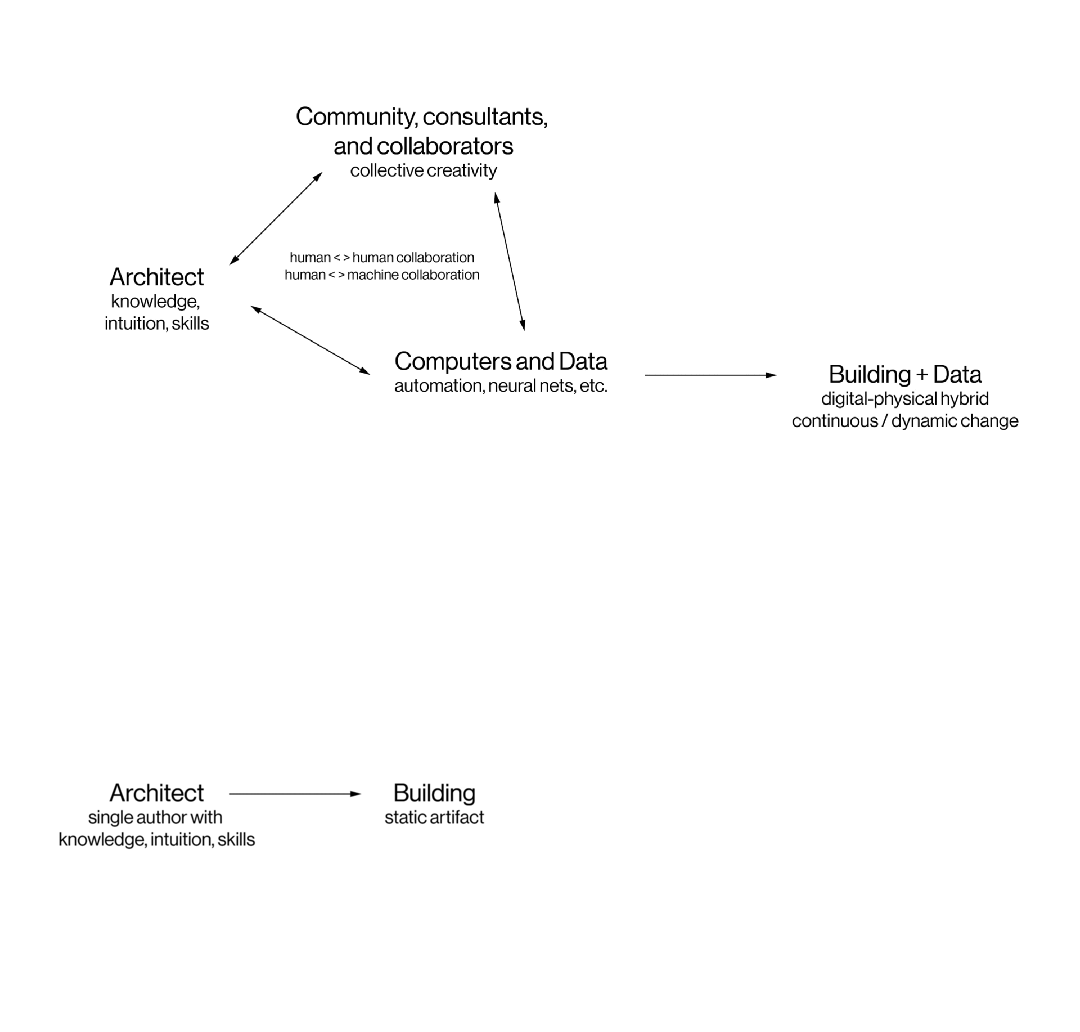
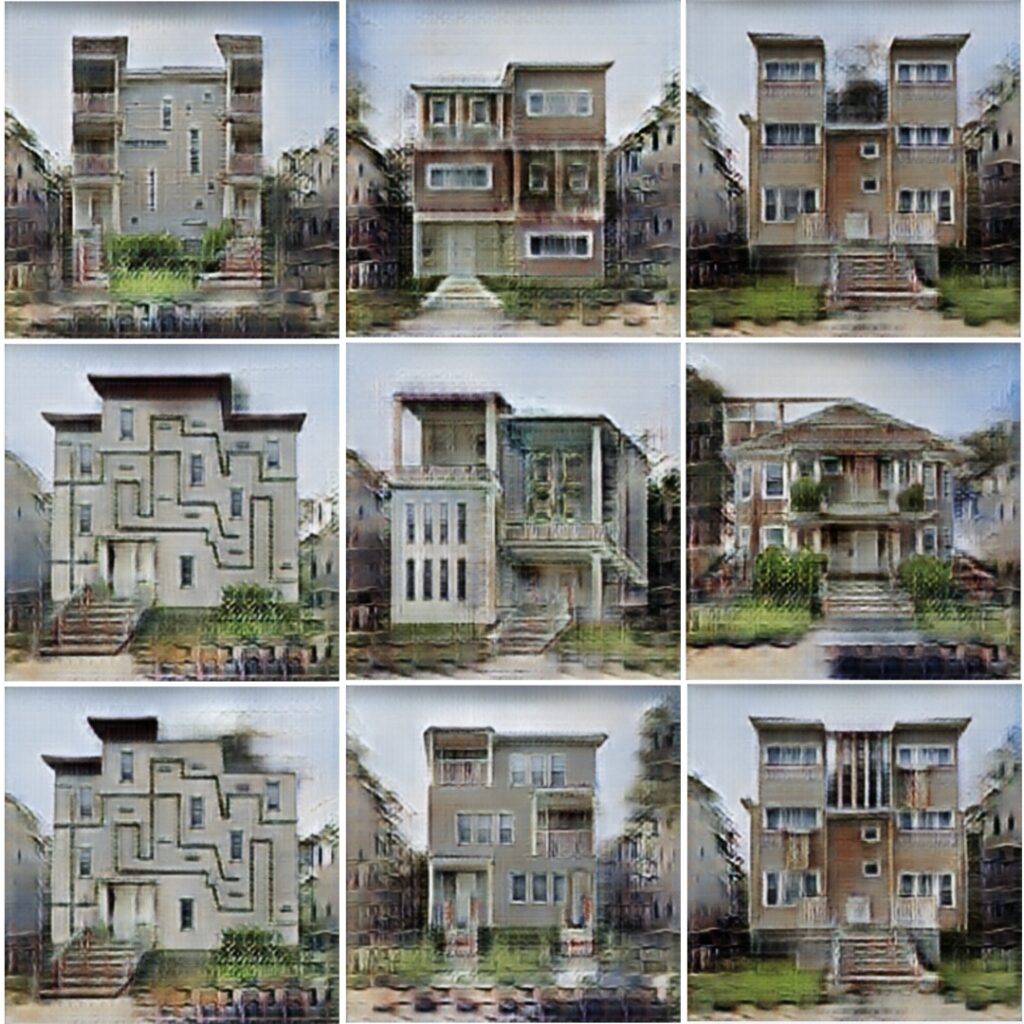
This experimental work, which began in 2019, explores the potential of utilizing artificial intelligence for not only human-machine collaboration, but also for co-design with communities for neighborhood housing. The research team explores the relationship between emerging data-related capabilities (artificial intelligence), design and planning expertise, and public participation, productively calling into question the role of authorship in design. The machine learning model and web application are developed with the goal of designing community-informed triple-deckers in Boston’s Mattapan neighborhood.
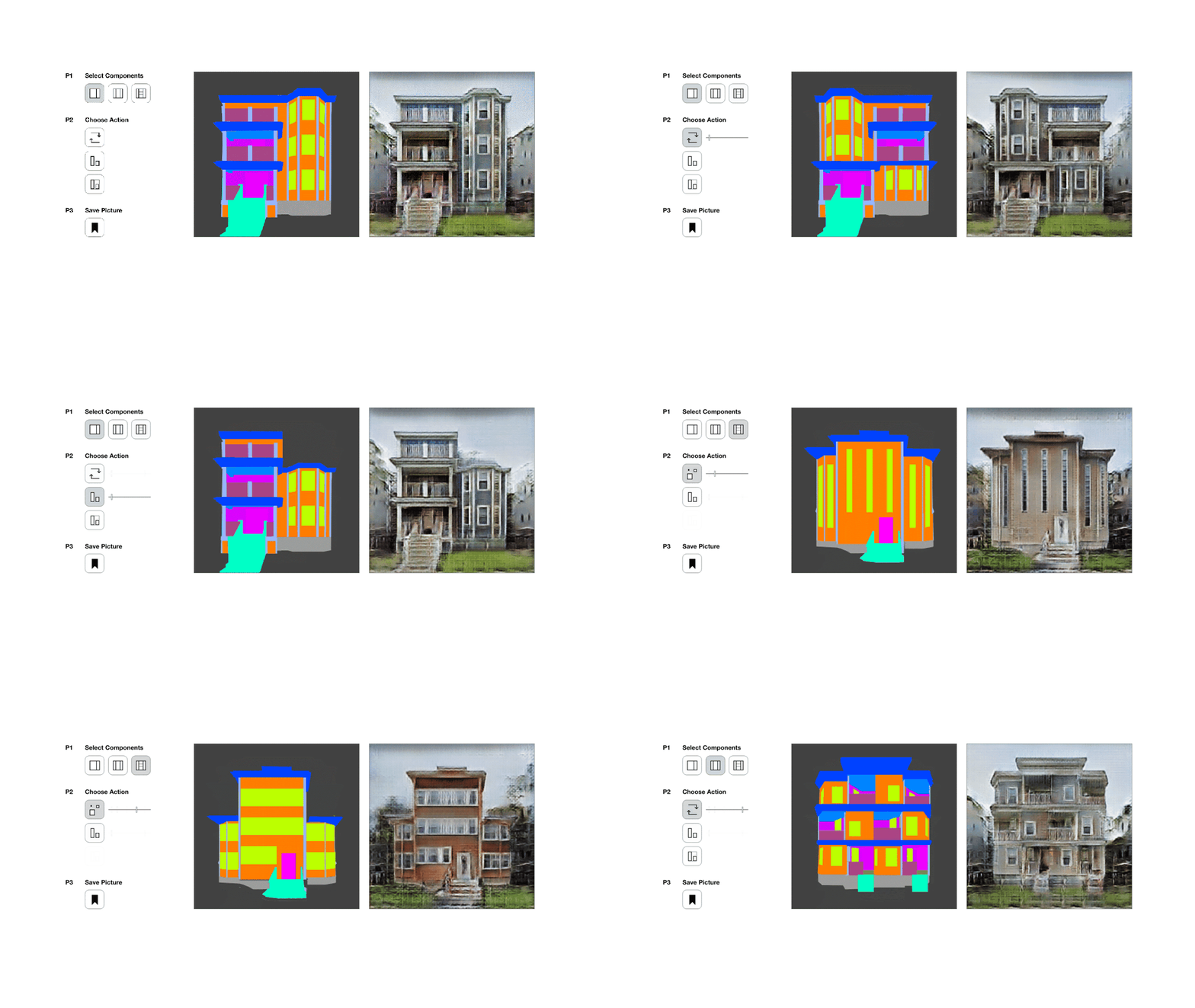
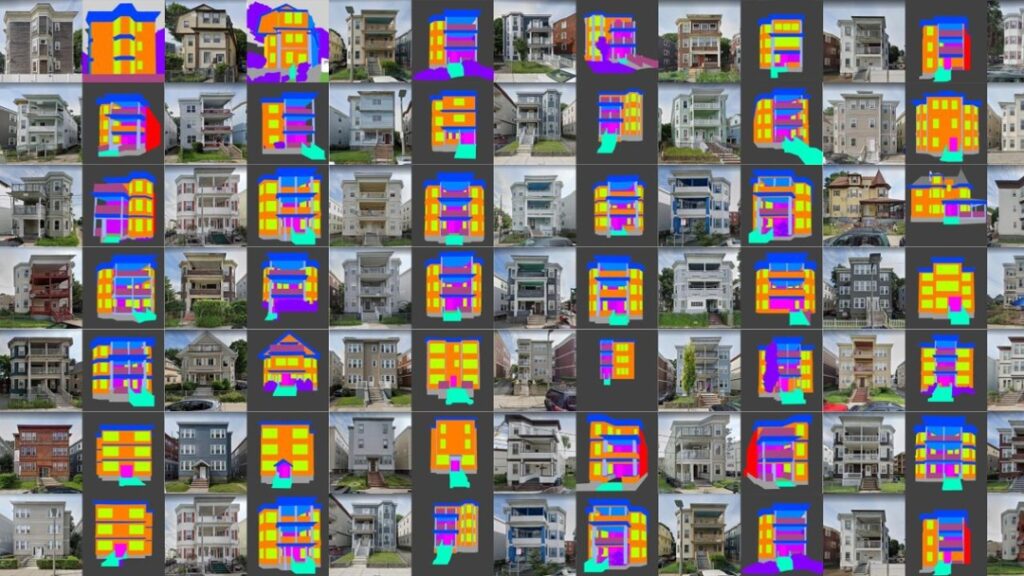
The research involves an exploration of the social processes embedded in a collaborative process between GANs (generative adversarial networks), architects, and the community. Activities include data set collection, assembly, and processing; machine learning model creation and training based upon the novel data set; a program for “designing” site- and household-specific housing utilizing individual user inputs in combination with a foundational program of design created by the research team. The research advances larger disciplinary questions around the relationship between architecture and human computer interaction.
Principal Investigator
- Elizabeth Christoforetti
Researcher
- Romy El Sayah
Output
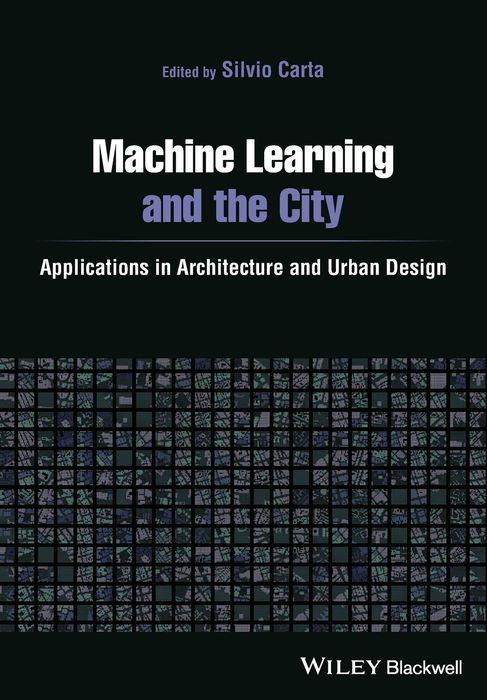
Christoforetti, E., and El Sayah, Romy. “Collective Design for Collective Living.” Chapter in Machine Learning and the City, ed. Carta, Silvio. Wiley. 2022.
Christoforetti, Elizabeth Bowie. “Collective Design for Collective Living: Machine learning, the participatory process, and the changing role of the architect.” DigitalFUTURES WORLD: Architects Unite Machine Intelligence in Architecture Conference, Summer 2021.