After Architecture: Body as Building
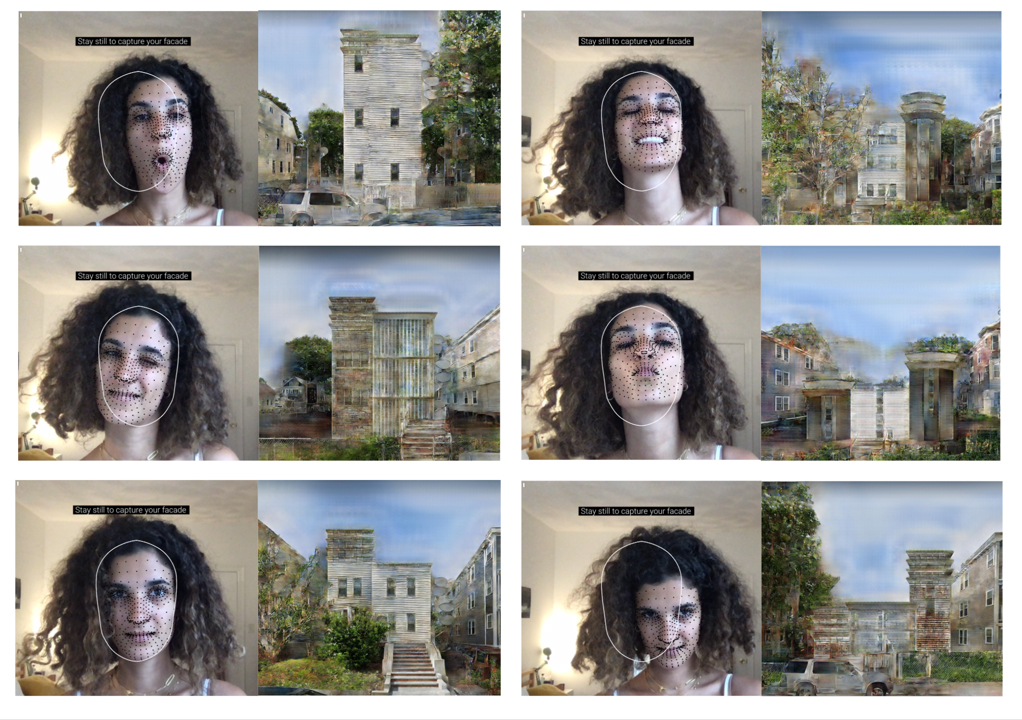
This body of work from 2020-2021 uses a mode of art practice to address issues of unstable authorship in an era of machine intelligence and collective creative production. It explores the methods and values involved in design production involving artificial intelligence and the potential impact on design practice as a cultural pursuit and intellectual project.
Since the Renaissance and the birth of modern architecture – from the definitive writing of Alberti to contemporary Starchitect production – the architect has been the individual, authorial agent of the built form that hosts our urban lives together. As we shift into an era of machine intelligence authorship is unstable, driven by immediate and automated access to the digitized cultural history of humanity and the capacity for a new mode of machine-augmented creative production. A lecture at PRIMER 21 Global Conference addresses and reflects upon the past and ongoing research leading up to the exhibition of After Architecture: Body as Building, in the exhibition RE: HUMANISM at MAXXI: Museum of XXI Century Arts in Rome, Italy.

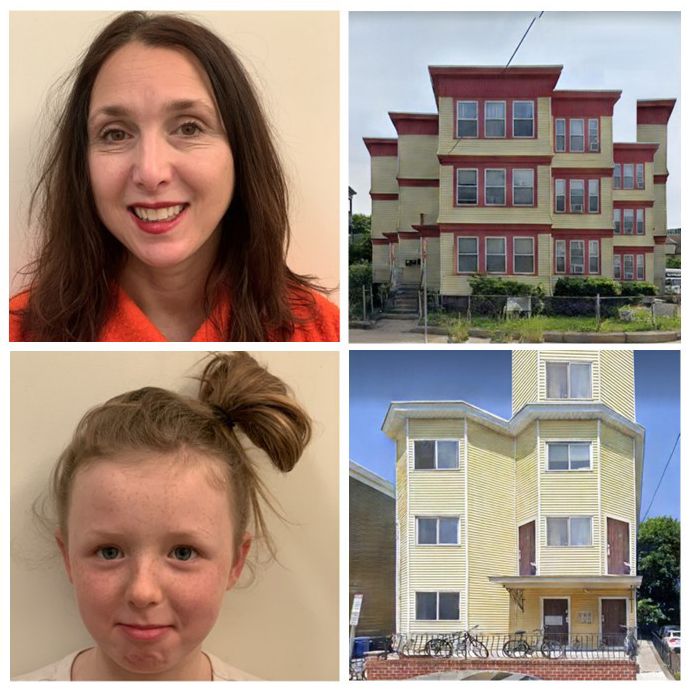
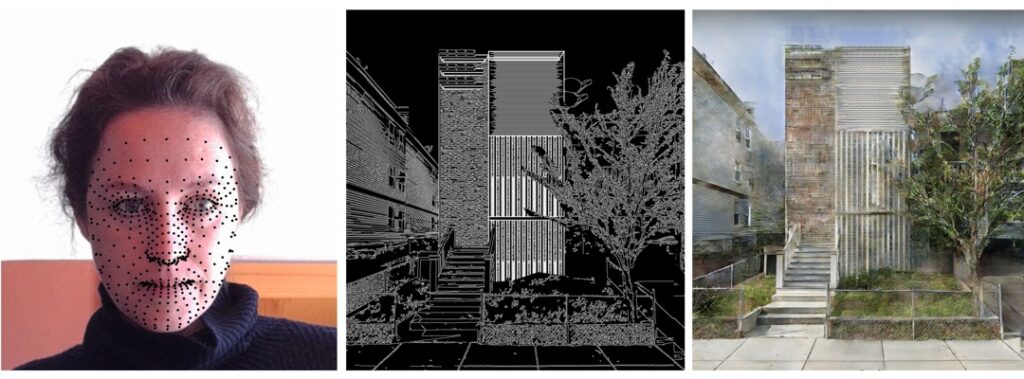
After Architecture cracks open the cultural production of architecture to imagine a new phase for the design of the built environment in which any individual may have an authorial stake in the imagination and production of our built context. The face of each visitor is an agent in the design of a unique body-home. Data collection and classification is the precursor to form, and authorship is hybrid – a collaboration between architect, machine, and the museum visitor body. The home is an extension of the body (as a group of self-selected social expressions such as hair style, accessories, and fashion choices) and the work of architecture is a gestalt grouping of bodies, a scalable system of augmented creativity, identity, and physicality. Over time and with the accumulative production of many body-homes, After Architecture assembles a new type of collective digital urbanism and digital fiction.
In this new mode of design production, the Architect produces a (machine learning) model rather than a maquette, radically transforming the identity and role of “the designer” in relationship to society and enabling many open-ended outcomes rather than a single predetermined work. The identity, role, and agency of the designer is scrambled into a new set of horizontal relationships, having slipped out of its historical top-down orientation. After Architecture encourages the disruption of authorship in architectural production and the extension of any body into the collective identity of place.
Given the rapid advances in machine learning since the start of this work in 2020, researcher Romy El Sayah has generated an updated version of the face-to-facade authorship application that moves beyond the original data set. While the 2020 application involved the creation, classification, and internal training of a novel data set within a layered Pix2Pix machine learning framework, this recent application leverages a pre-trained model and an external data set. Anyone on the internet can author their own domestic architecture here: https://thehouse.id/.

Principal Investigator
- Elizabeth Christoforetti
Researcher
- Romy El Sayah
Output
2021 Re: Humanism Prize award winner for work at the intersection of art and artificial intelligence