Low Energy ADU as Systems-Linked Architecture
How can thoughtful systems-linked architecture enable deep transformation in energy use and our relationship with the buildings that produce it? To what extent must the practice of architecture expand to or coordinate with the design of technology, finance, and policy systems to enable widespread cultural, social, and environmental change? When does architecture stop becoming architecture and give way to the systems that enable and regulate it? How can architecture become an agent of change within and upon these systems?

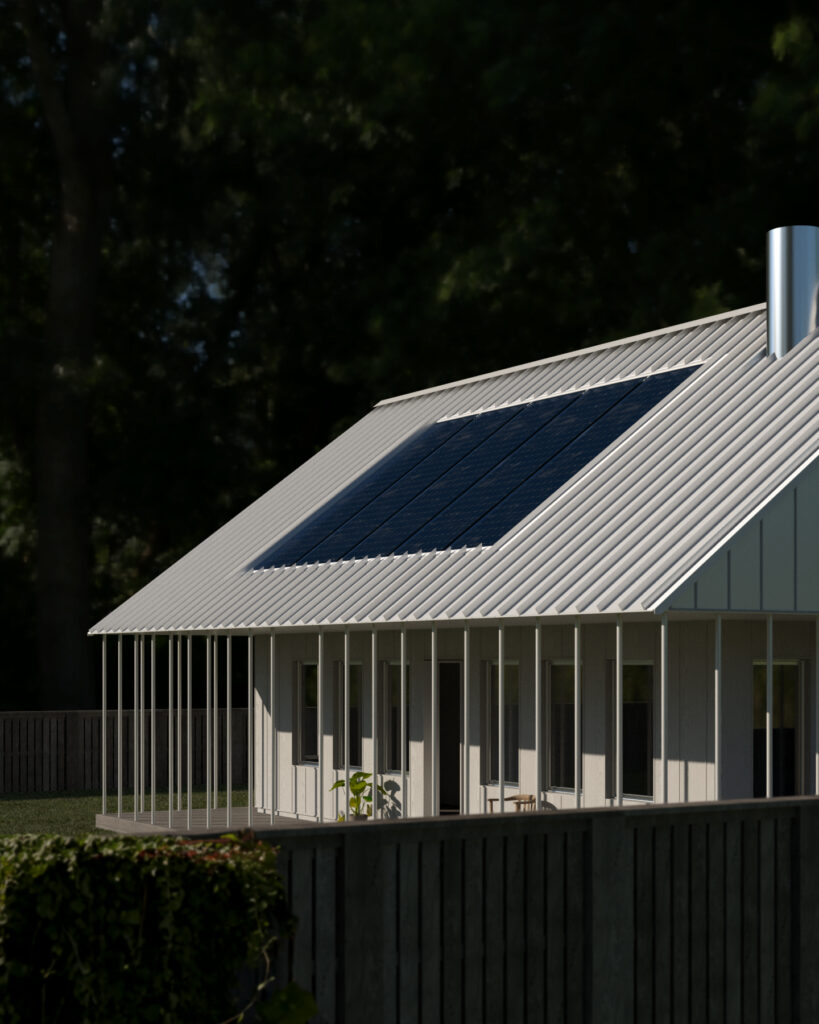
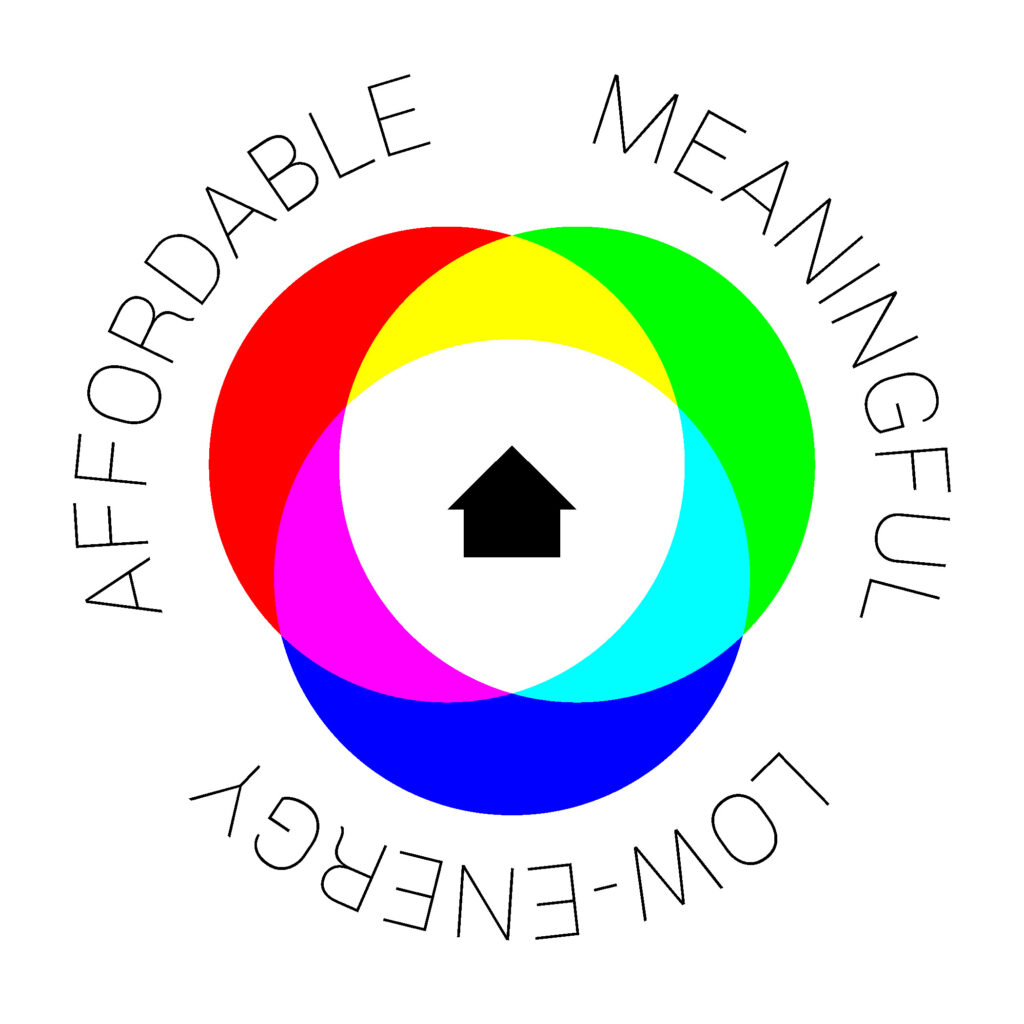
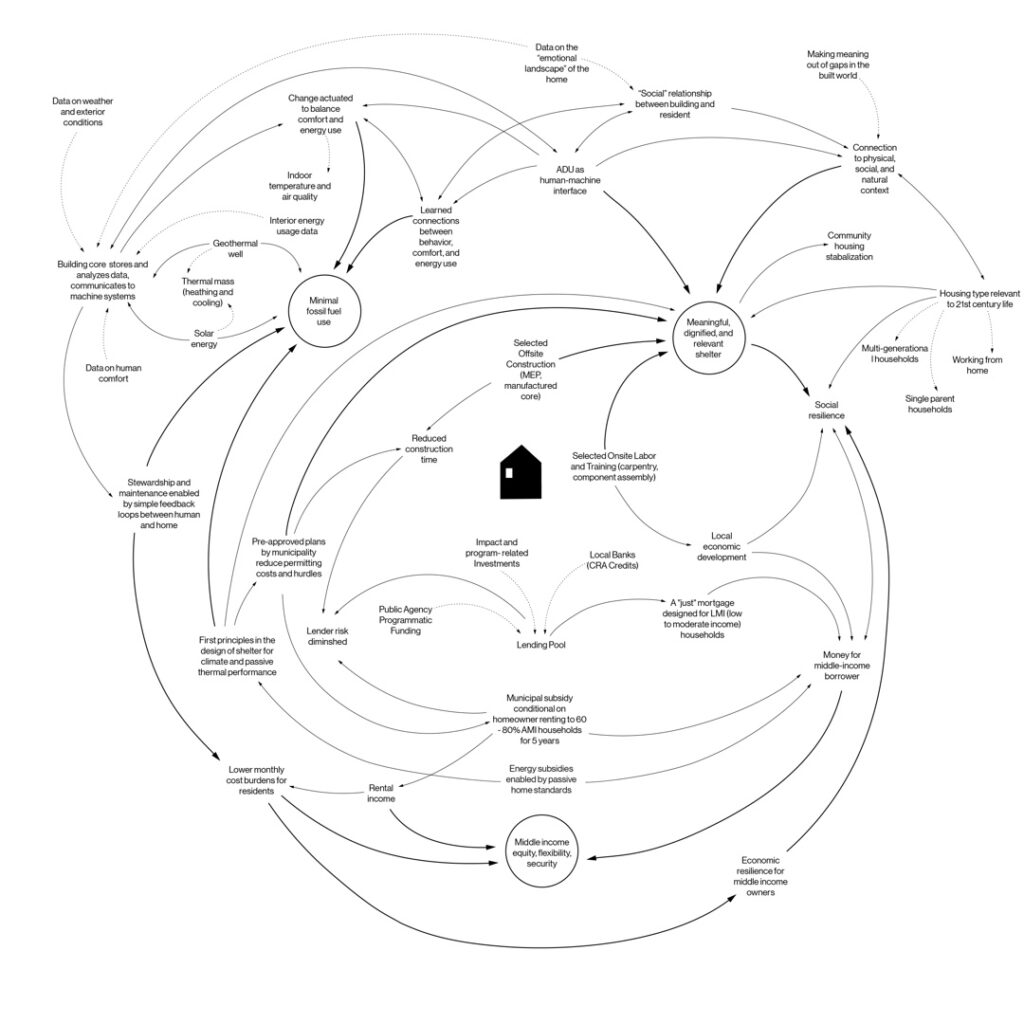
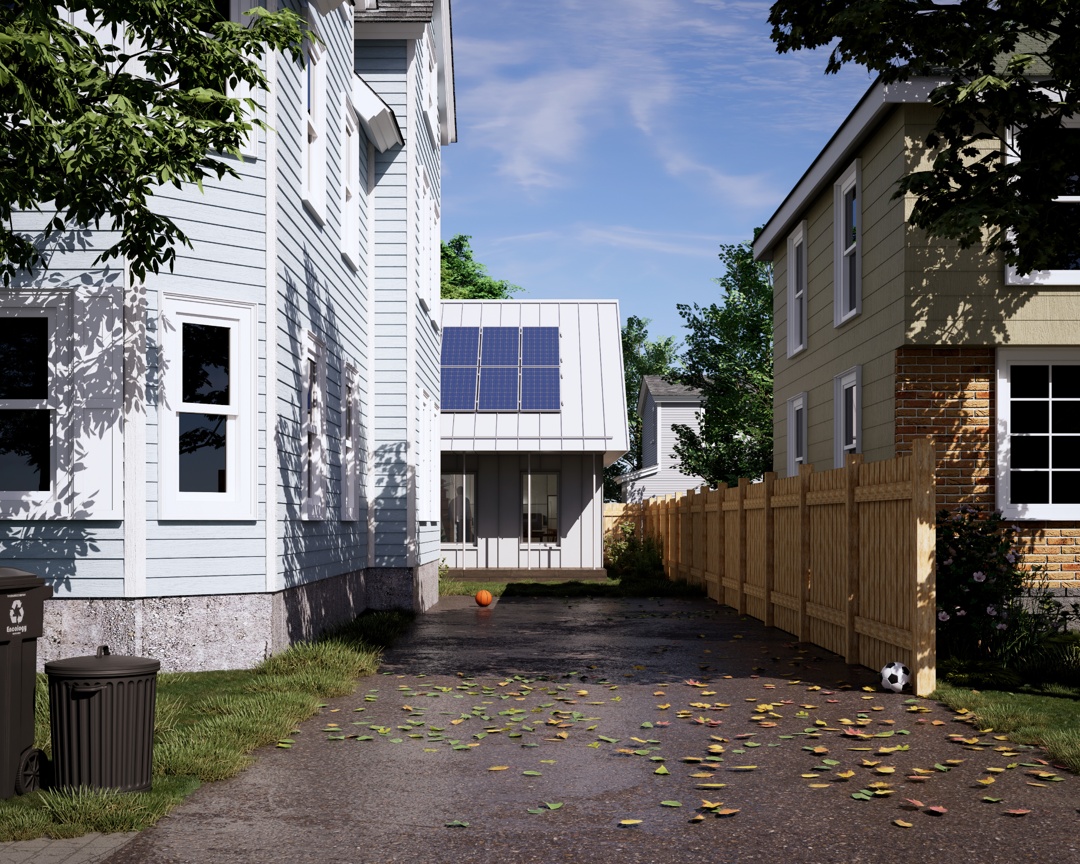
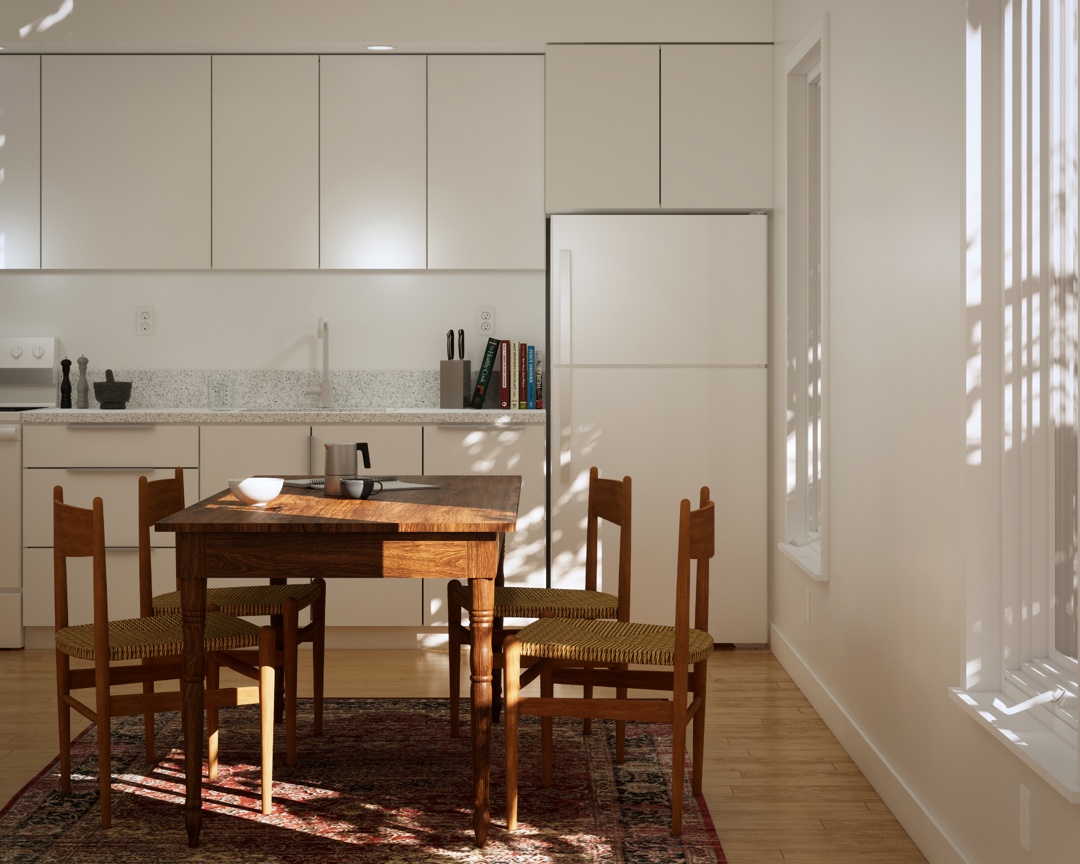
This ongoing research investigates the extent to which architectural innovation and impact is inextricably linked to transformations in the systems — such as policy and finance – that regulate it. The work is concerned with the design of a meaningful, low-energy, and affordable accessory dwelling unit (ADU) prototype as well as the design of innovative financing and policy to enable it. In this way, architecture can make a positive and direct contribution to essential challenges of the housing crisis, namely the persistent racial wealth gap, by enabling low-to-moderate income households to access opportunities to increase their home equity through the addition of a low-energy housing unit. The research takes the form of an ongoing case study with the City of Boston with the goal of rapidly translating learning outcomes into municipal policy and program.
The ADU is chosen as a typology for its capacity to fill in gaps and grow equity and naturally-occurring affordable housing in existing urban fabric; for its still insecure status in terms of effective policy and financing; and for its small scale, which provides an ideal testing ground for piloting high performance construction delivery in constrained infill conditions. The outcomes of the study will provide answers to unknown questions around construction cost and type, and the constraints of the regional construction ecosystem; around the unseen opportunities and friction within municipal permitting, approvals, and related policy landscape. Learning outcomes can be utilized locally and regionally to improve rapidly changing policy and municipal programs related to ADUs and to better support an emerging ecosystem of high performance offsite construction as it necessarily integrates into the local labor ecosystem. In short, the small ADU type holds the large opportunity to explore practices of architecture that create and shape transformative systems-level impact. It is the simplest way into the landscape of complexity that drives contemporary housing design and delivery.
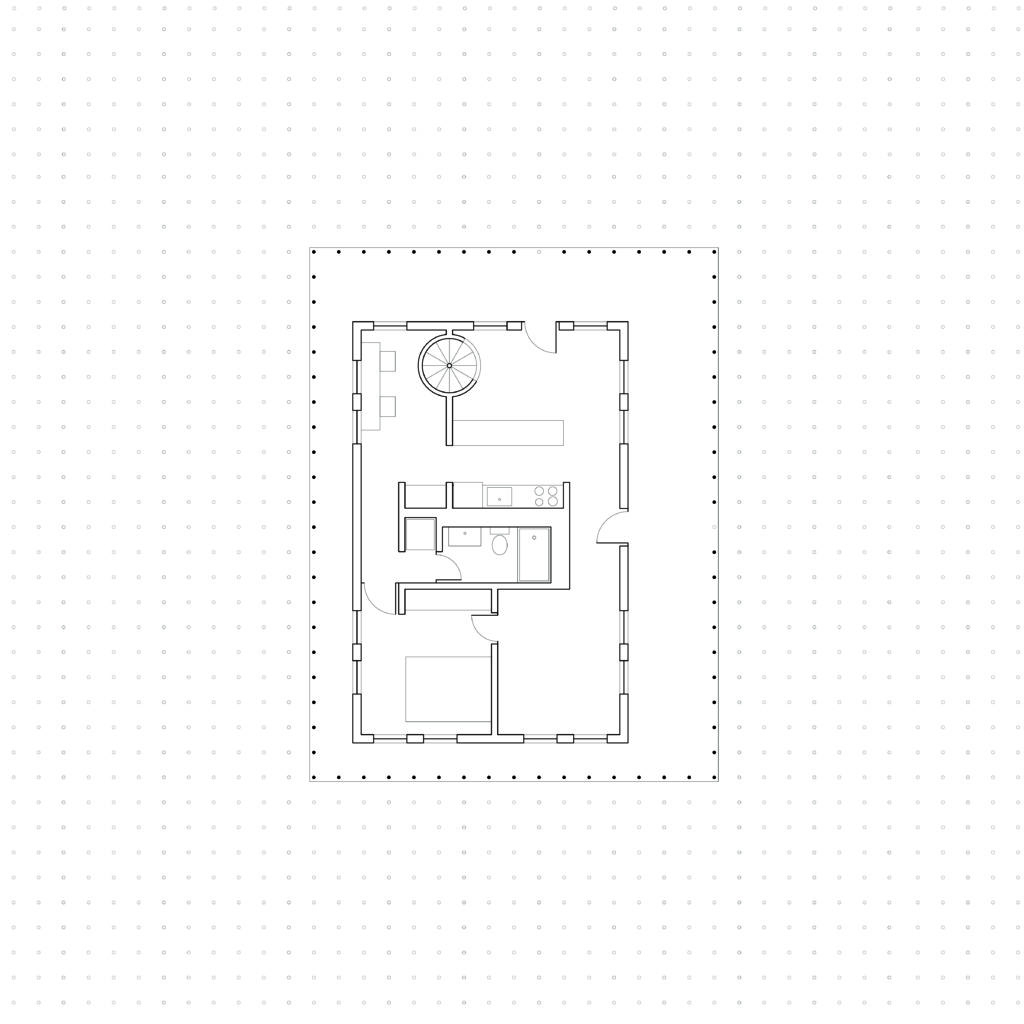
Architecturally, the ADU design builds upon the local saltbox vernacular typology, which has a number of benefits in terms of both energy performance and cultural fit. It builds upon the robust body of House Zero research to adapt advanced mechanisms for energy reduction into a minimum viable condition of affordability. Its ambition for honesty, simplicity, and an authentic connection to the context that shapes it draws inspiration from projects such as the Smithson’s Upper Lawn Pavilion.
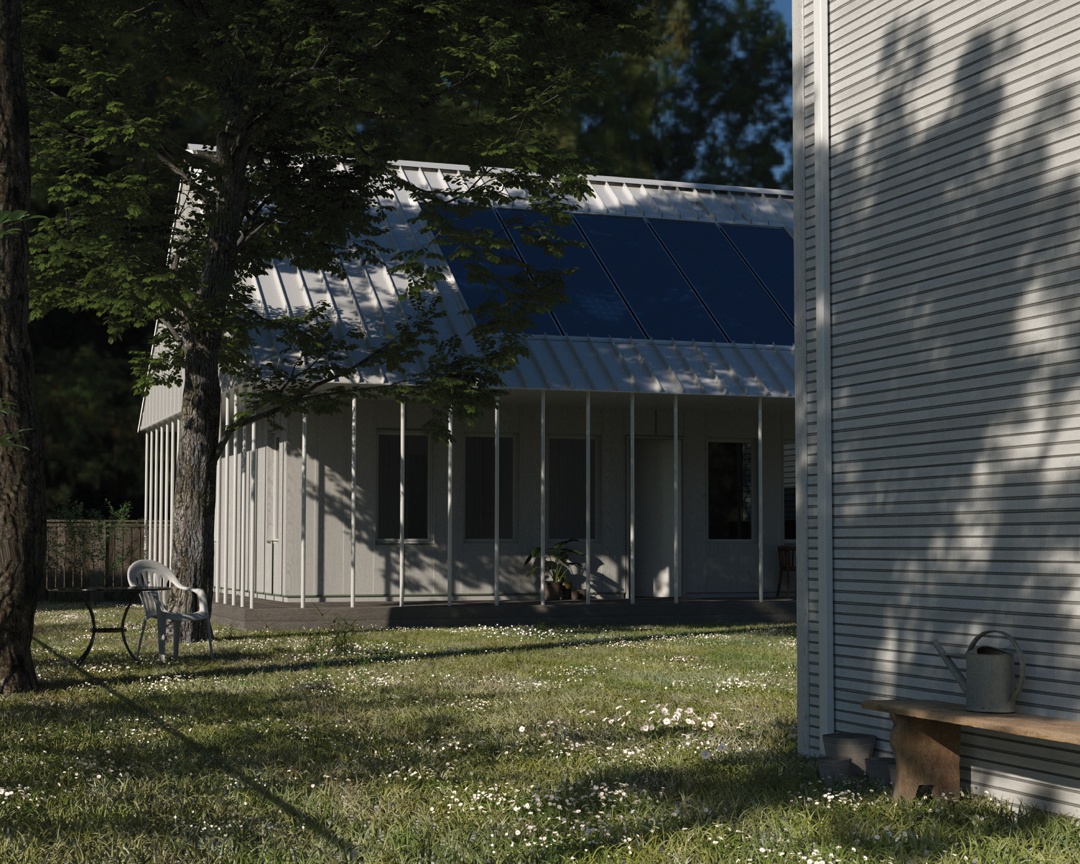
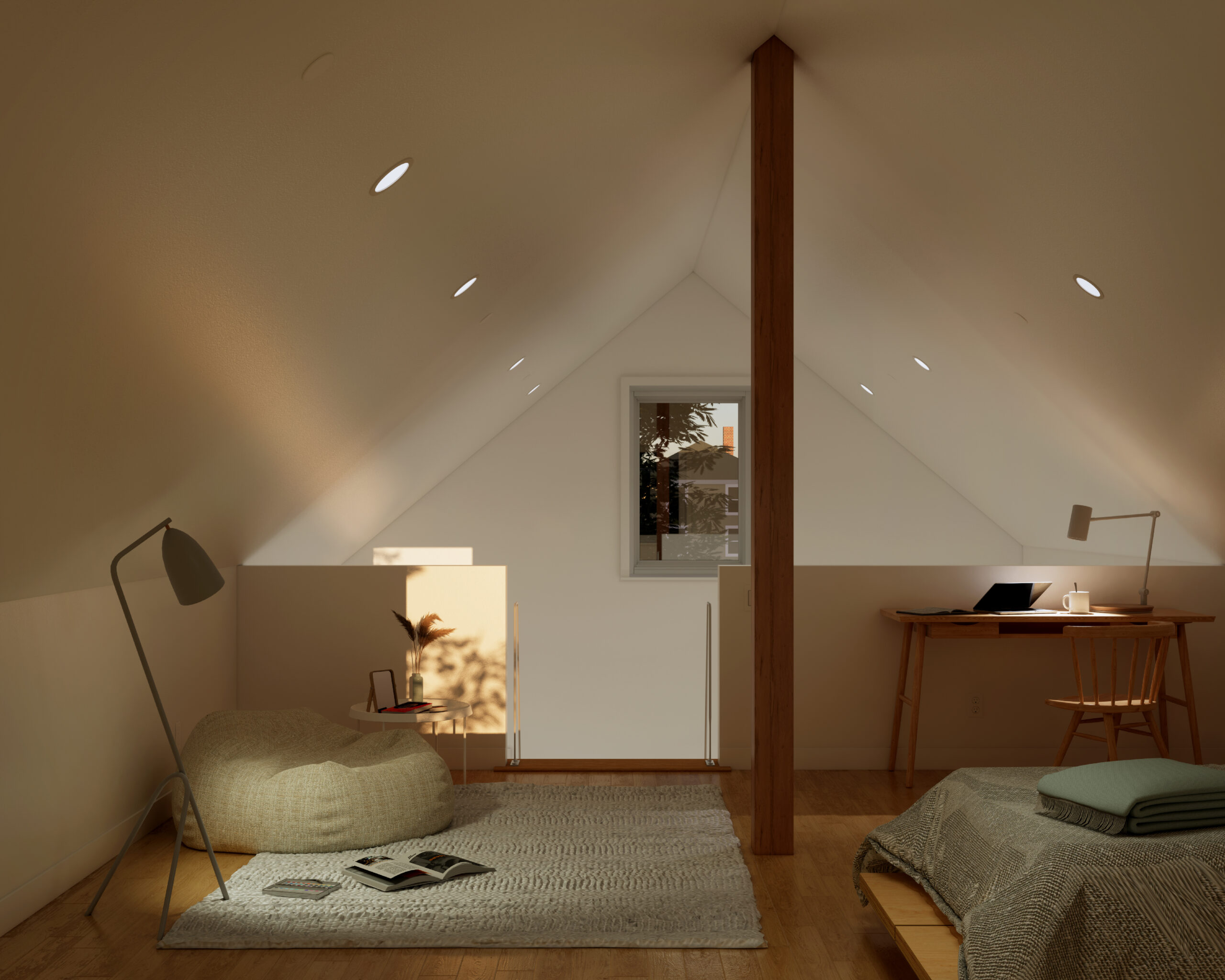
The in-progress case study compares three construction types across three ADU projects with the same architectural DNA to understand the state of construction cost, the challenges of joining the precision of off-site construction with local construction knowledge, the relevance of the design to essential needs such as the known gap in solutions for multigenerational households, and the policy-related challenges involved in municipal permitting and approvals processes. The case studies will also test the recently completed phase of financial design.
Financial design, conducted in collaboration with the City of Boston and a cohort of local banks, involved the development of a shared term sheet that has been adopted across four banks within new mortgage products. These products are focused on low-to-moderate income homeowners and, in combination with a grant provided by the City of Boston, enable the homeowners to finance ADU construction. This essential element of innovation builds upon and separates the work from prior ADU related work in west coast cities, where a more mature ADU landscape demonstrates that ADUs will only naturally occur in high-income neighborhoods, effectively expanding rather than shrinking the racial wealth gap. On the heels of this innovation, meaningful, low-energy, and affordable ADUs for middle income households is now a viable pathway for design. The success and public launch of the outcomes of this work was announced and addressed by Boston Mayor Wu at the November 20, 2024 City of Boston ADU event.
We are grateful to the Harvard Center for Green Buildings and Cities as well as the Rappaport Institute for Greater Boston for their support of this ongoing effort to make change through applied research.
Principal Investigator
- Elizabeth Christoforetti
Researchers
- Maya Adachi
- Pablo Castillo Luna
- Connor Gravelle
- Clara He
- Ana Merla
- Charu Singh
- Alec Wagner
Municipal Partners
- The City of Boston Mayor’s Office of New Urban Mechanics
- The City of Boston Housing Innovation Lab
- The City of Boston Home Center
Output
Research on systems-linked architecture and ADU design featured: Berg, Nate. Boston figured out how to make tiny backyard houses easier and cheaper to build. Fast Company. May 15, 2024. Online, accessed 5/15/24: <https://www.fastcompany.com/91122095/boston-figured-out-how-to-make-tiny-backyard-houses-easier-and-cheaper-to-build>
Public Lecture: Christoforetti, Elizabeth Bowie. “Low Energy ADU and Systems-linked Architecture.” Boston Society of Architects “Conversations” Lecture Series, Spring 2024. Boston, MA. <https://www.youtube.com/watch?v=P9ZbK5egL4w>
Design for a web-based tool allows low-to-moderate income homeowners to easily bring together sources of capital to support low-energy ADUs. By aligning the “capital stack” with the architectural specifications and design, finance works with rather than against a meaningful design agenda.