Grinham Research Group
Harvard University Graduate School of Design
Radiative Sky Cooling
Radiative Cooling
Project Overview
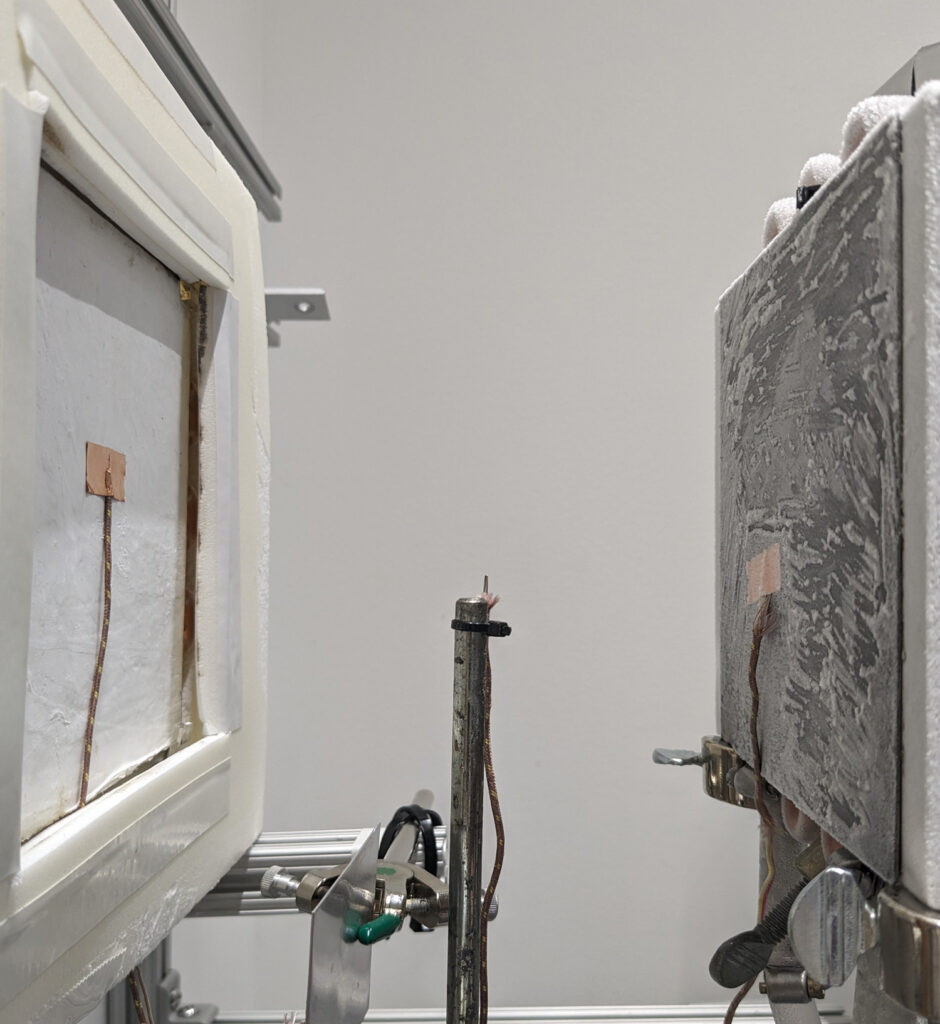
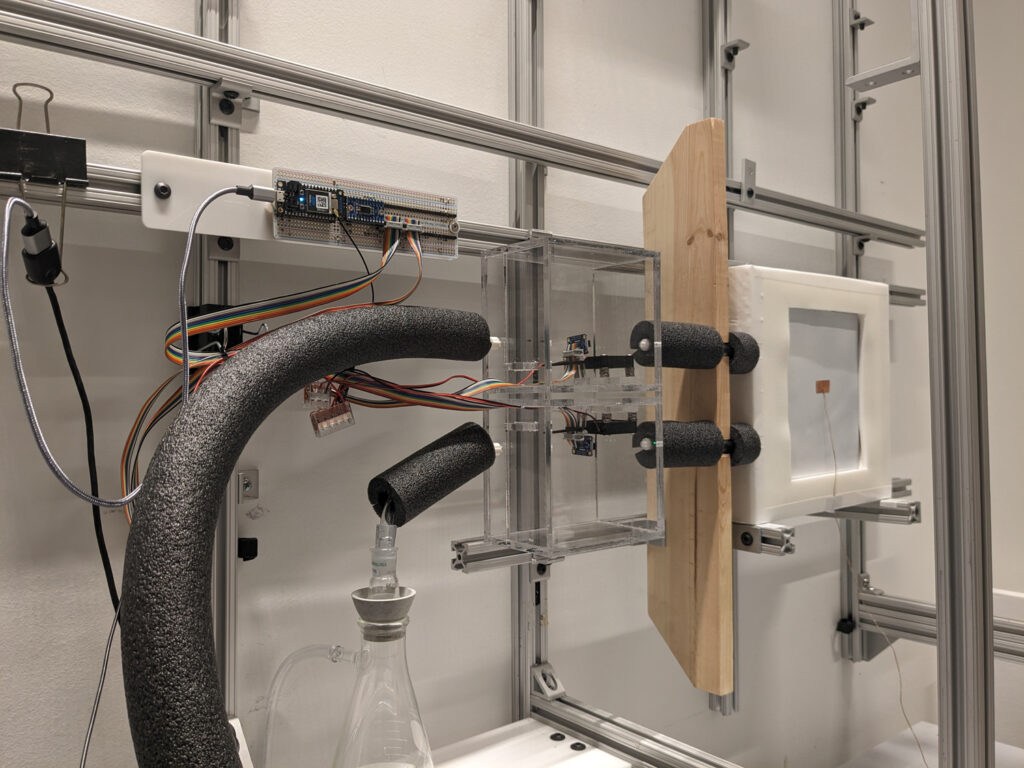
Radiative Sky Cooling technology represents a groundbreaking approach to passive cooling systems that harness the inherent cooling power of the night sky to enhance energy efficiency and reduce dependence on traditional air conditioning methods. This project aims to use the cooling potentials of radiative sky cooling towards additional properties like dehumidification and water harvesting.
Project Journey
Collaborative research with the Pierce Lab (Harvard University), Aizenberg Lab (Harvard University), and Yu Lab (Columbia University) is using advanced multi-spectral imaging and machine learning algorithms to identify the key structural features of butterfly and moth specifies needed to synthesize new materials with desired thermal performance.

Application
Project Team
Jonathan Grinham
Jack Alvarenga
Leonard Palmer
Tiffany Kalu
Nanfang Yu
Naomi Pierce
Richard Rabideau Childers
Anna Shneidman
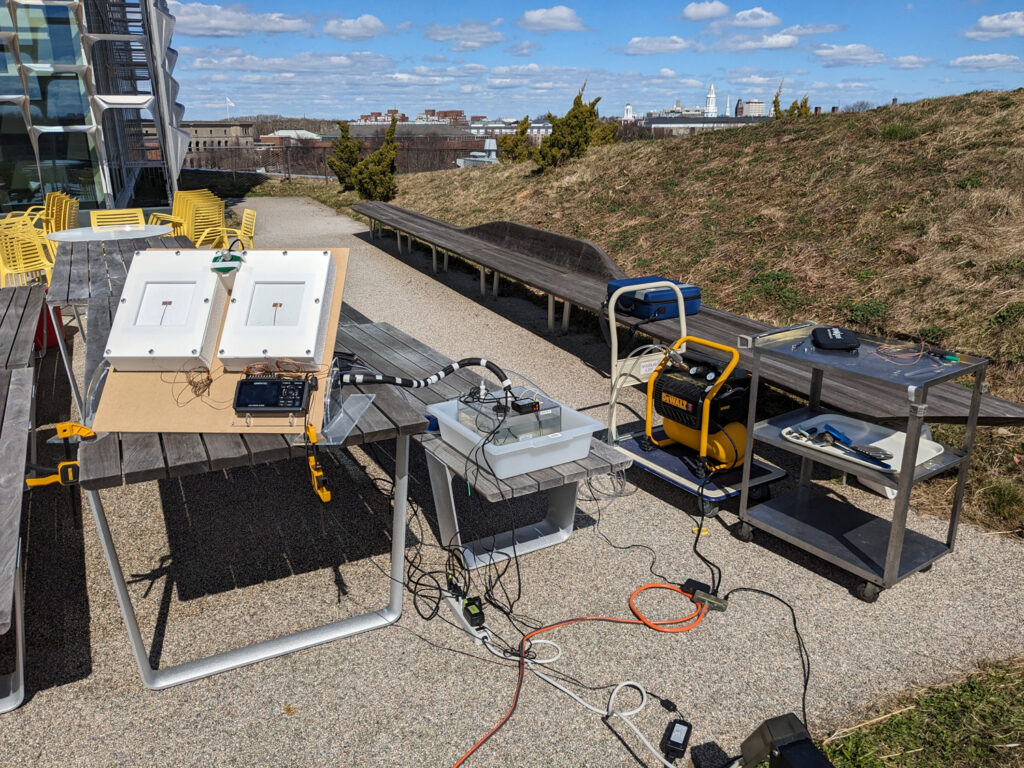
This project is exploring ways to integrate radiative sky-cooling technology into architectural applications, such as facade systems. The 1:1 life-scale prototype of the water-capture wall system will be field-tested.