
Grinham Research Group
Harvard University Graduate School of Design
Upscaling Wool Ecologies
Reconfiguring wool’s industrial ecology
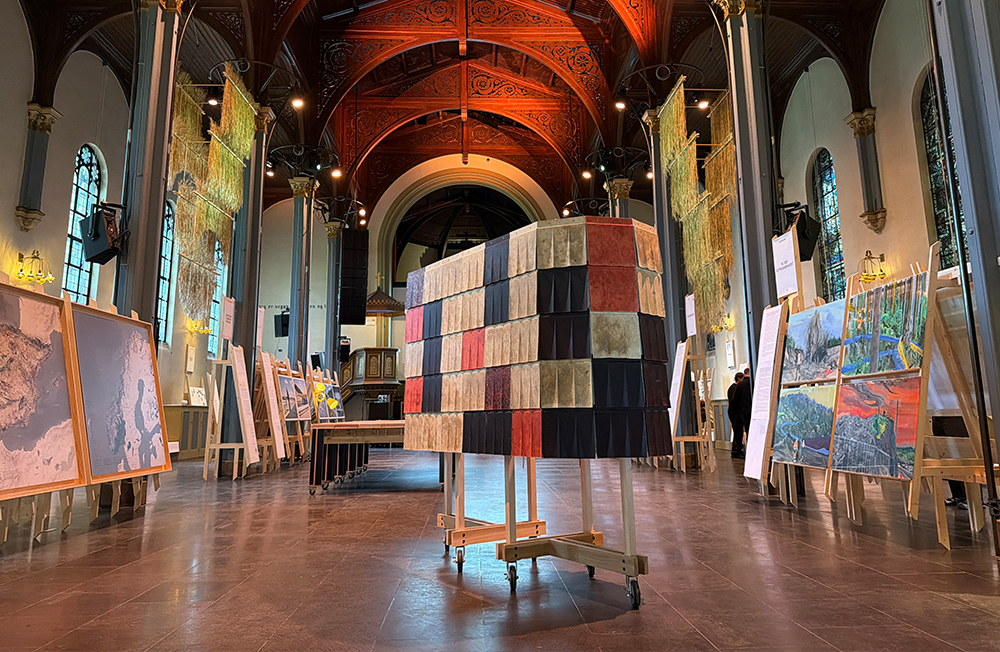
The Stock Tank exhibited at the 2026 Oslo Architecture Triennale
Project Overview
Nature has already invented the world’s most sophisticated plastics. Long before petrochemicals, organisms developed structural polymers—cellulose, lignin, chitin, collagen, and keratin—that combine mechanical performance, repairability, biodegradability, and carbon storage through millions of years of evolution. Rather than inventing new synthetic materials, this project asks what becomes possible when architecture begins with nature’s plastics first.
Project Journey
Upscaling Wool Ecologies is currently on exhibit at the 2026 Oslo Architecture Triennale
Find the paper: Upcycling waste wool for regenerative building retrofits: A biocomposite approach
Contact the team: [email protected]
Project Team
Jonathan Grinham
Leonard Palmer
Jack Alvarenga
James Langford
Sophie Hutter
Wool
Wool has historically connected landscapes of grazing with regional systems of shearing, collection, grading, scouring, spinning, weaving, manufacturing, and trade. During the twentieth century, synthetic fibers increasingly displaced wool in many applications. At the same time, government reserve-price systems that had helped stabilize wool markets collapsed in major producing countries.1 Global sheep-wool production nevertheless remains substantial. Approximately 1.95 billion kilograms of raw wool are produced annually by roughly 1.2 billion sheep.2 Yet contemporary textile markets use only part of this resource. Approximately 60 percent is used in wool apparel manufacturing, while medium- and coarse-grade fibers face significantly weaker demand.3 Wool that cannot be sold may be stockpiled, burned, buried, or otherwise discarded.4, 5
Describing this material simply as waste obscures the nature of the problem. The fiber remains a highly organized biological material composed primarily of keratin, a natural protein polymer. Keratin comprises approximately 90–95 percent of wool fiber and is stabilized by hydrogen bonds, ionic interactions, hydrophobic forces, and disulfide bridges.6 At the fiber scale, a protective cuticle surrounds the cortex, while the air-filled medulla of coarse fibers provides additional thermal resistance.7 Wool can absorb substantial quantities of moisture, self-extinguish rather than readily propagate flame, and provide useful acoustic absorption.8
The material has not lost its properties. It has lost its position within an economic and industrial system.
Upcycling Wool Ecologies treats waste not as an intrinsic material category but as evidence of a broken relationship among biological production, industrial infrastructure, and economic markets. The design problem becomes one of reconstructing those relationships: Developing new functions for fibers rejected by textile markets while reconnecting agricultural production, regional manufacturing, and architecture.
The wool used in this exhibition is preconsumer waste from the American Woolen Company in Stafford Springs, Connecticut. First established in 1842, it is one of the few remaining integrated woolen mills in the United States that can spin yarn, weave cloth, and finish fabric. The wool originates with U.S. sheep producers and has been scoured and processed for textile manufacturing. Its varied colors record both naturally colored and dyed fibers, preserving visible traces of the material’s previous industrial life.
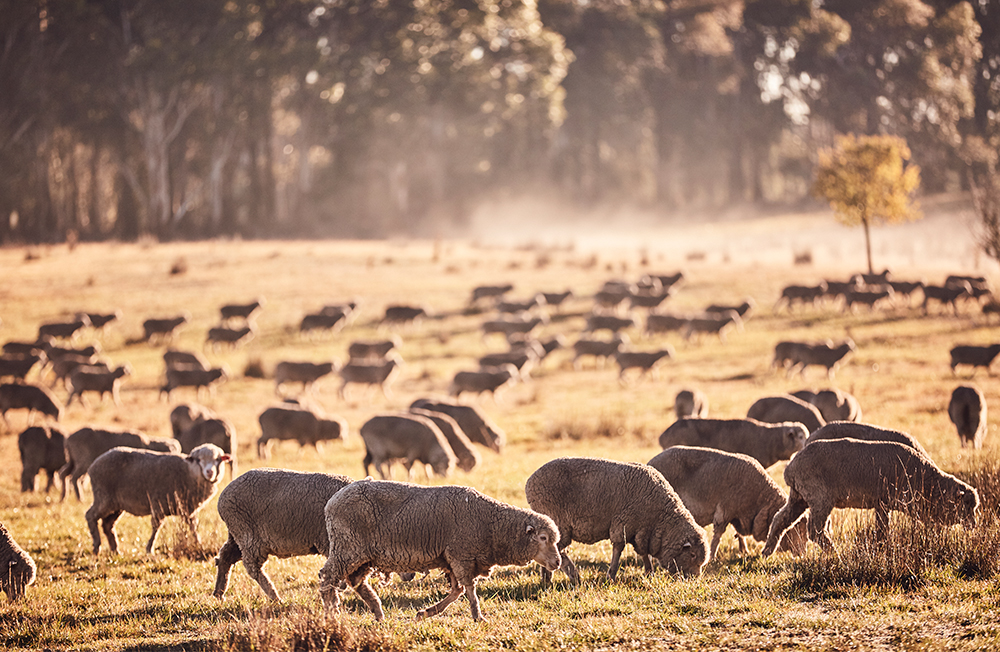
Millpost, Southern Tablelands of New South Wales, Australia. Image courtesy of The Woolmark Company
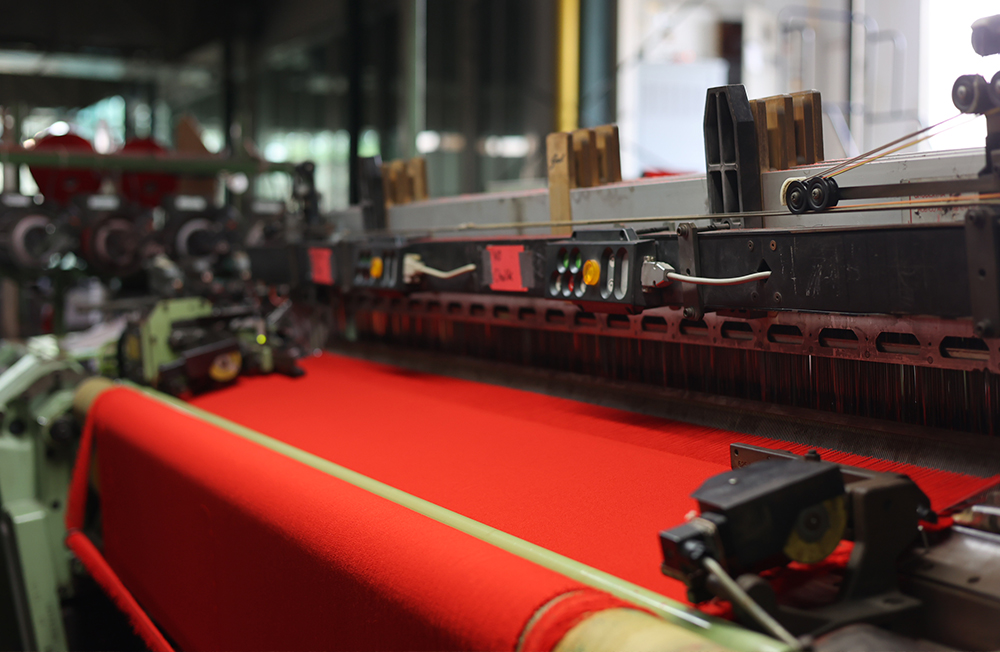
American Woolen Company, Stafford Springs,Connecticut, U.S.A. Image courtesy of Avantika Velho
New Chemistry
Rebuilding waste wool’s industrial ecology begins by reconfiguring the molecular structure of its keratin-rich fibers into a biocomposite in which wool serves as both reinforcement and binder. Chemical, mechanical, and thermal inputs partially disassemble and reorganize the fiber’s existing structure, producing a new material state from the same biological feedstock. These inputs do not simply preserve the fiber in another form; they establish a new configuration suited to architectural performance. Upcycling, therefore, means more than reuse. It is the controlled reorganization of an undervalued material into a higher-quality, longer-lived configuration using the chemical potential already present within its biological structure. We call this configurational stewardship.
The alkaline treatment disrupts the keratin structure, hydrolyzing peptide bonds and degrading disulfide cross-links to produce smaller keratin fragments. Mechanical homogenization further separates the material, exposing cortical cells and producing a keratin-rich aqueous dispersion.9 The addition of citric acid promotes a second transformation. Acting as a comparatively benign crosslinker, it forms covalent linkages among reactive groups in the keratin chains.10 When the wool-derived keratin and citric acid are heated together, they form a continuous polymeric matrix capable of binding residual and unprocessed wool fibers into a rigid composite without a petrochemical resin.
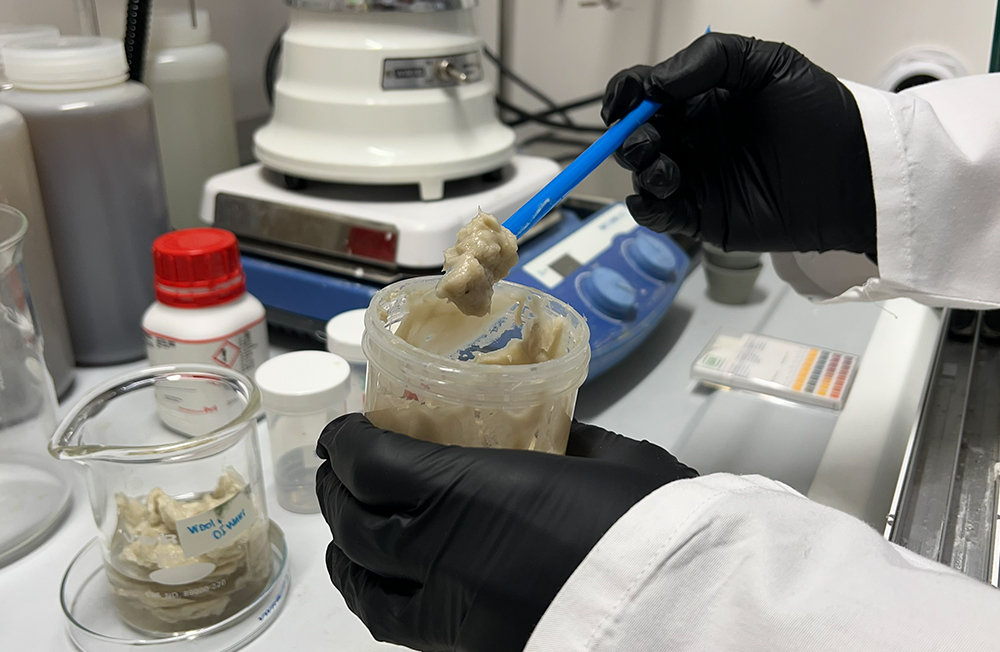
Keratin-rich gel
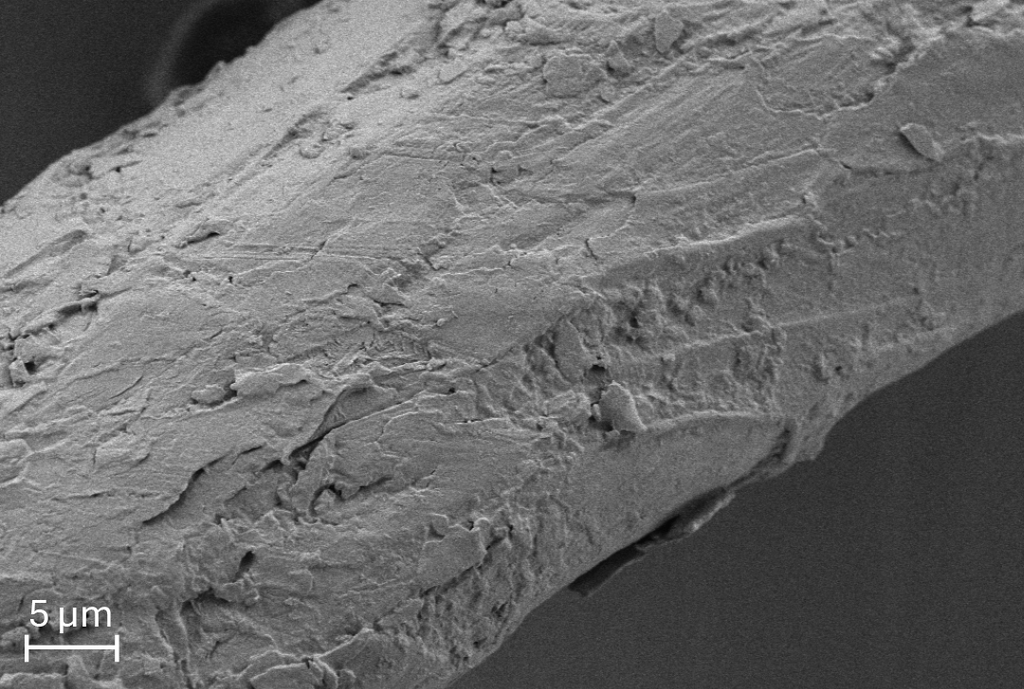
Scanning electron microscopy (SEM) images of wool at different stages of processing. Scoured, unprocessed wool fiber
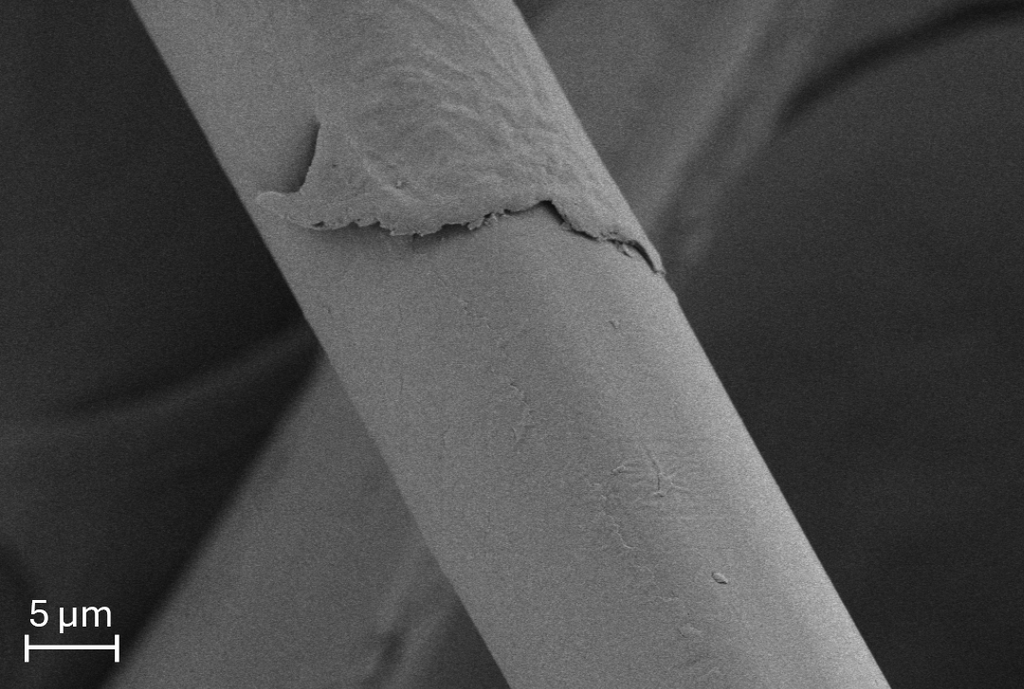
Wool fiber after 24h alkaline treatment
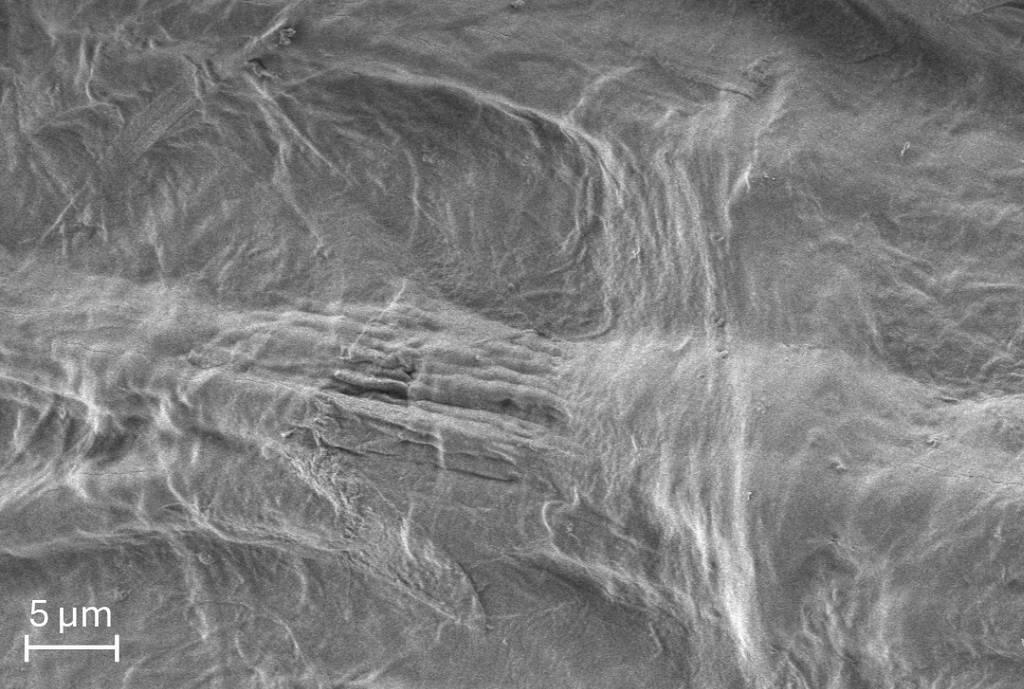
Keratin-rich gel
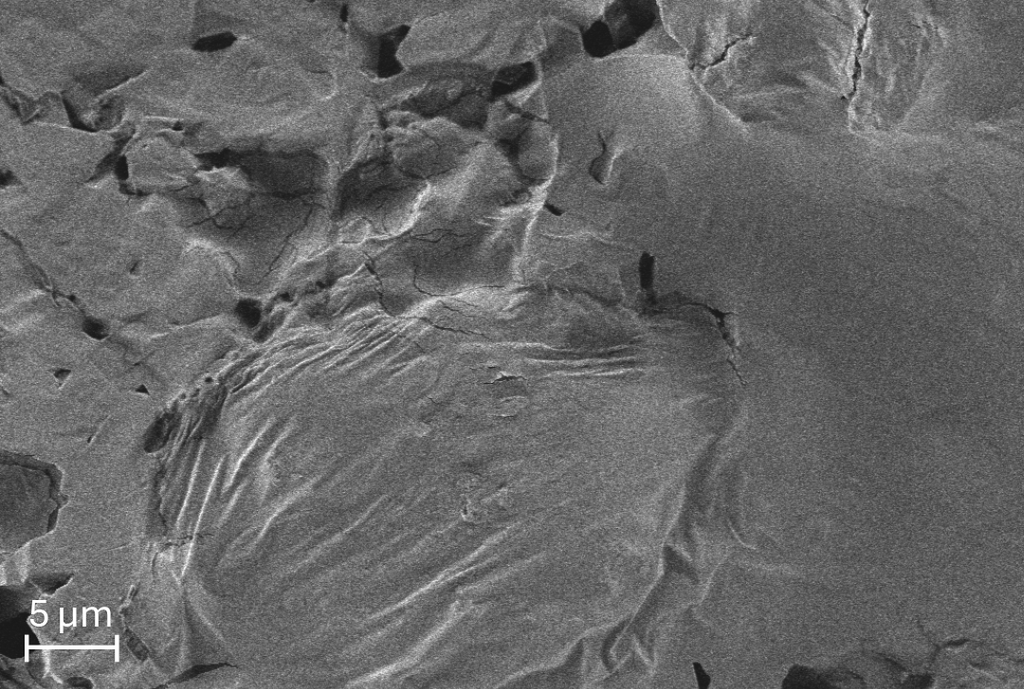
Keratin biopolymer film
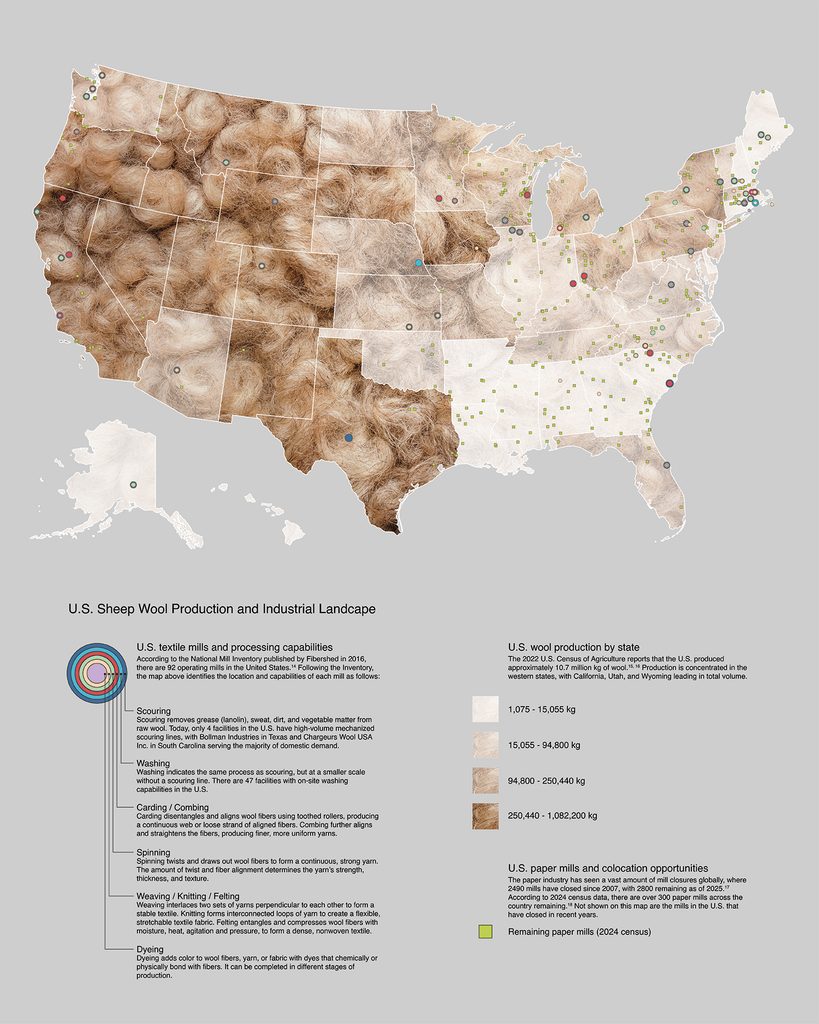
Wool Mills to Paper Mills
Laboratory material science operates in grams and centimeters. Architecture operates in kilograms, tonnes, square meters, and, ultimately, millions of buildings. Scaling requires more than enlarging a recipe. It requires coordinating the machinery, labor, logistics, energy systems, and regional industries needed to process heterogeneous biological materials reliably and economically.
Laboratory-scale development by the Grinham Research Group at the Harvard Graduate School of Design in collaboration with the Aizenberg Group at the Harvard John A. Paulson School of Engineering and Applied Sciences first characterized the structure–property relationships of the wool biocomposite.
The work presented at the Oslo Architecture Triennale translates this chemistry into a new industrial ecology by connecting wool processing with another mature but contracting fiber industry: pulp and paper. Working with the Pulp and Paper Pilot Plant at North Carolina State University, the team demonstrated that equipment and methods developed for one fiber system could be redirected toward another. Industrial pulping machinery provides the high-volume agitation and homogenization needed to combine alkaline treatment with mechanical fiber refinement. Equipment designed for screening, dewatering, pressing, and kiln-drying fibrous slurries offers additional pathways for scaling architectural material production. The team consequently transferred a process once measured in hundreds of grams to a pilot-scale demonstration at the scale of hundreds of kilograms.
The proposition is not simply to construct a larger, specialized machine for wool. It is to co-locate and reconnect existing industrial capabilities that have become economically and geographically disconnected. Sheep producers provide a renewable biological feedstock. Scouring and textile operations aggregate, clean, grade, and preprocess the wool. Pulp and paper facilities contribute high-volume fiber-processing machinery and expertise. Panel manufacturers contribute to forming, pressing, drying, and finishing technologies. Architecture becomes the meeting point where these disconnected systems are brought back into a productive relationship.
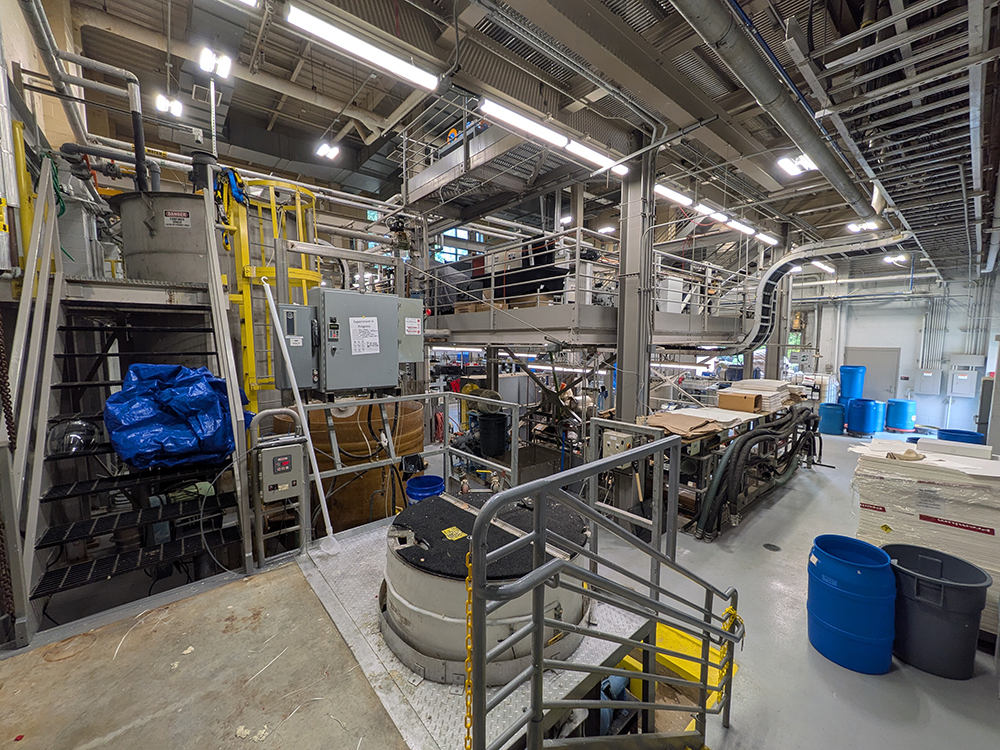
Pulp and Paper Pilot Plant, North Carolina State University, Raleigh, North Carolina, U.S.A.
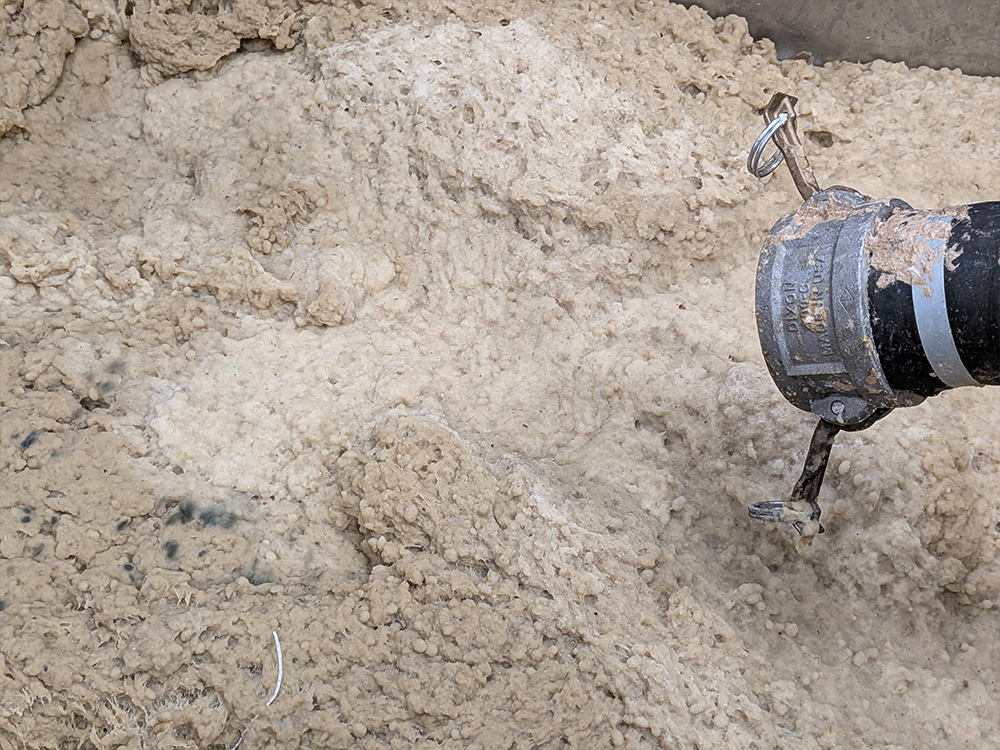
Hydrolyzed wool drained from pulper at Pulp and Paper Pilot Plant, North Carolina State University, Raleigh, North Carolina, U.S.A
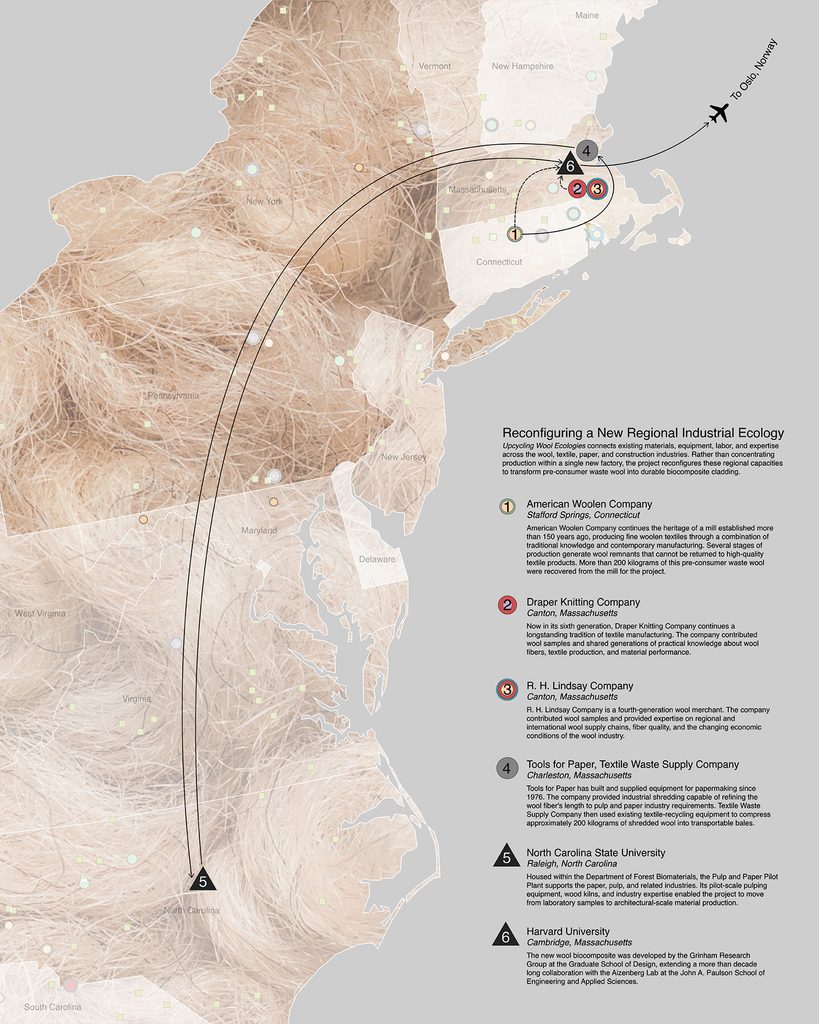
Fiber to Buildings
Building-envelope materials can perform several functions simultaneously. An exterior retrofit system operates as an environmental interface, mediating moisture, heat, mechanical loads, weathering, and carbon flows while remaining manufacturable at an architectural scale. These combined requirements shifted the research away from a single ideal formulation and toward a family of related wool biocomposites.
Processing variables—including fiber refinement, keratin content, citric acid concentration, pressure, and temperature—can be adjusted to produce substantially different material behaviors. High-density formulations prioritize stiffness and moisture resistance, achieving performance comparable to or better than that of wood products: a flexural modulus of 1,906 ± 194 MPa and water absorption of 24 ± 2.1 percent after 24 hours.9 Low-density formulations omit the final heat-pressing stage, retaining more insulating air within the fiber network and achieving a thermal conductivity of 0.045 ± 0.015 W·m-¹·K-¹, comparable to expanded polystyrene insulation.9
The exhibition structure, nicknamed The Stock Tank, gives physical expression to this material family as a prototype for a retrofittable insulation-and-cladding assembly. Ninety low-density panels form the thermal and acoustic layer, while ninety high-density panels create the exterior cladding surface. Fluting gives the rigid panels additional depth and stiffness while recalling the folded garments that Vitruvius associated with the Ionic column. The open rear of the installation allows visitors to enter the enclosure and experience the sudden attenuation of ambient sound produced by the low-density wool composite.
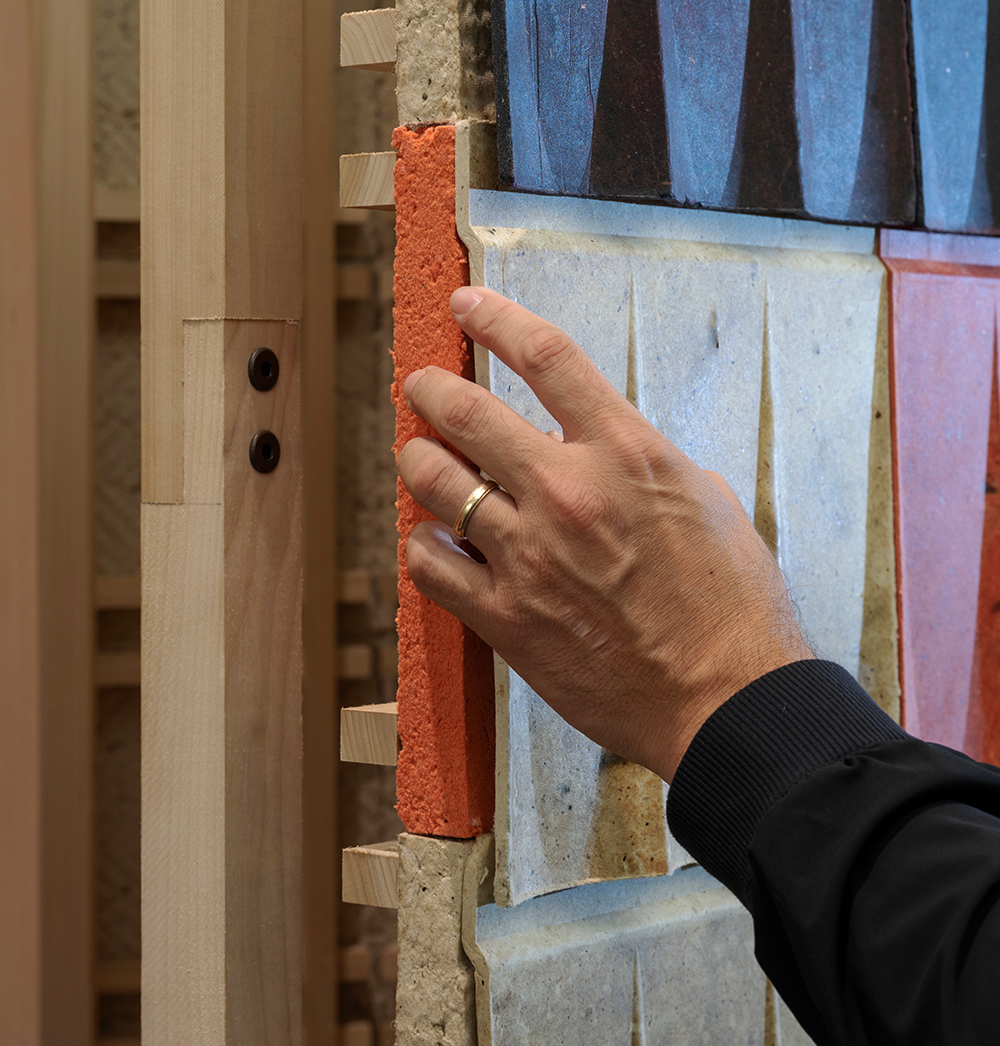
Retrofittable insulating-and-cladding assembly
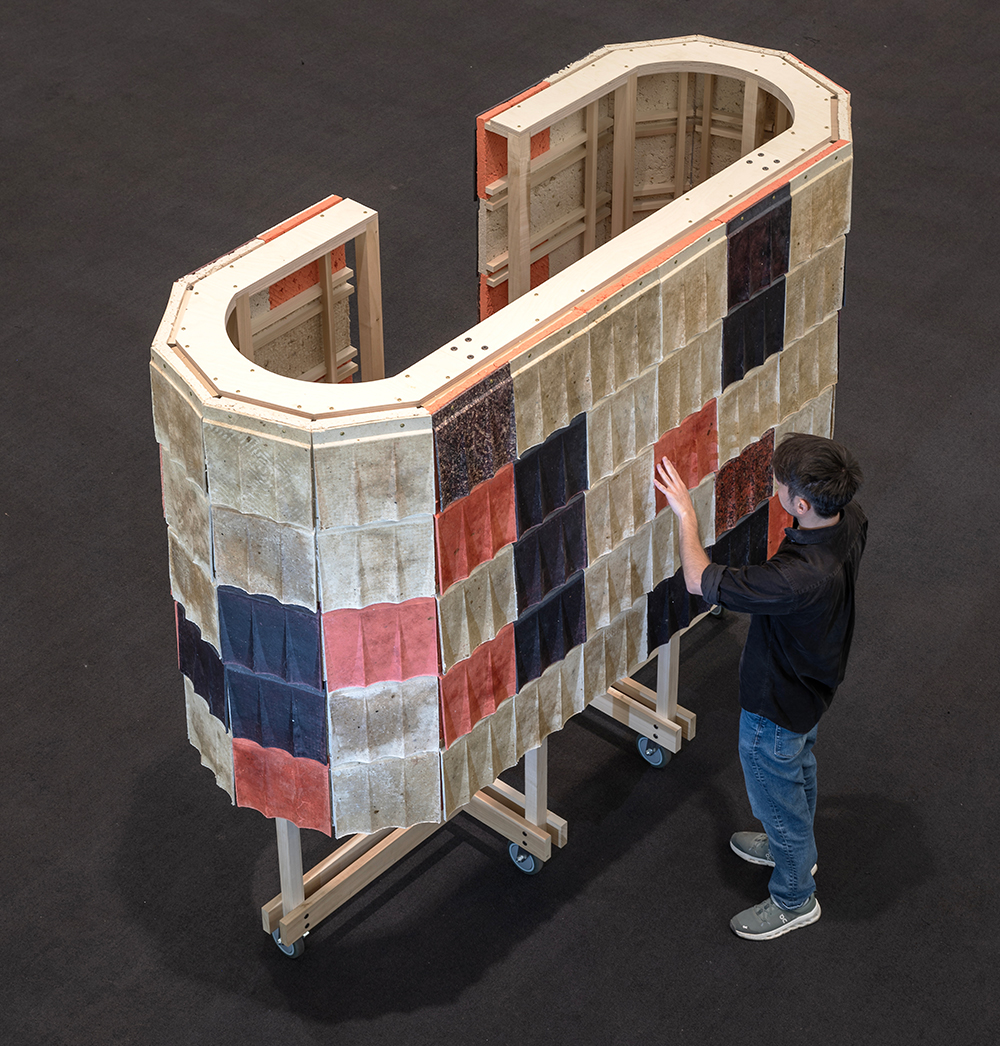
The Stock Tank
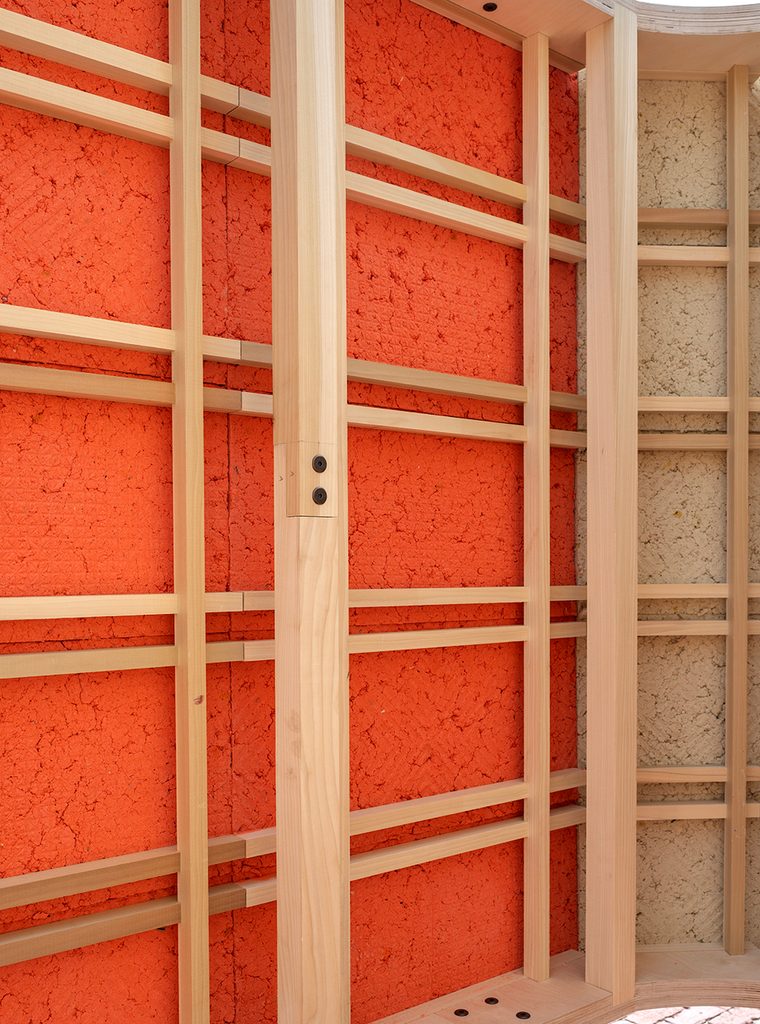
Interior of the Stock Tank
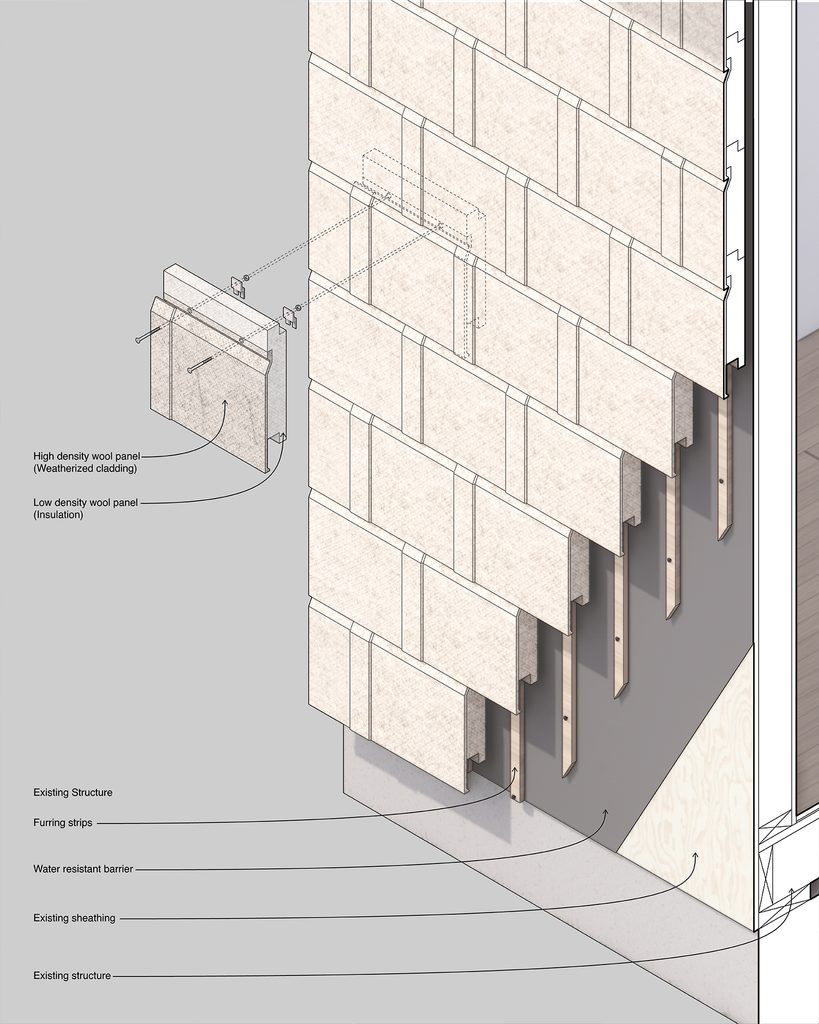
Wool cladding system for exterior retrofits
Carbon
The environmental value of wool cannot be understood through a single carbon number. It depends on how sheep ranching, wool production, waste allocation, land management, biogenic carbon, and product longevity are defined within the life-cycle system boundary. When wool is treated as a primary industrial agricultural product, a portion of the impacts associated with sheep production—including enteric methane and feed production—is allocated to the fiber. Under this accounting method, agricultural emissions can dominate wool’s life-cycle carbon profile. When discarded or pre-consumer wool is treated as a residual material with little or no economic value, a smaller share of those upstream impacts may be assigned to the new product. Neither approach changes the material itself; each describes a different accounting relationship between wool and the industrial agriculture system that produced it.
Land-based ecologies provide a richer dimension for understanding wool as a state of transformation within the carbon cycle. Regenerative grazing practices can improve soil health, vegetation cover, water retention, biodiversity, and, under appropriate conditions, soil-carbon storage. These benefits are highly dependent on climate, soil type, stocking density, previous land use, and management duration. Wool fiber is approximately 50 percent carbon by mass.11, 12 Plants first fix this carbon from the atmosphere through photosynthesis; grazing then transfers a portion of it into the keratin produced by the sheep. Retaining this biogenic carbon in a durable building product delays its return to the atmosphere for the service life of the assembly. In the project’s life-cycle assessment, manufacturing the upcycled panel produced approximately 0.42 kg CO₂eq per kg of material. When stored biogenic carbon was reported separately, the resulting balance was approximately −1.41 kg CO₂eq per kg of material.9 A land-based understanding provides a more pluralistic account of carbon—one that recognizes storage across multiple, interconnected systems rather than reducing environmental value to a single product-level balance. Under appropriate grazing and conservation practices, sheep can participate in carbon cycles that increase soil-carbon storage. One cited study reported net soil-carbon storage of approximately 0.33 tons CO₂eq per hectare per year.13
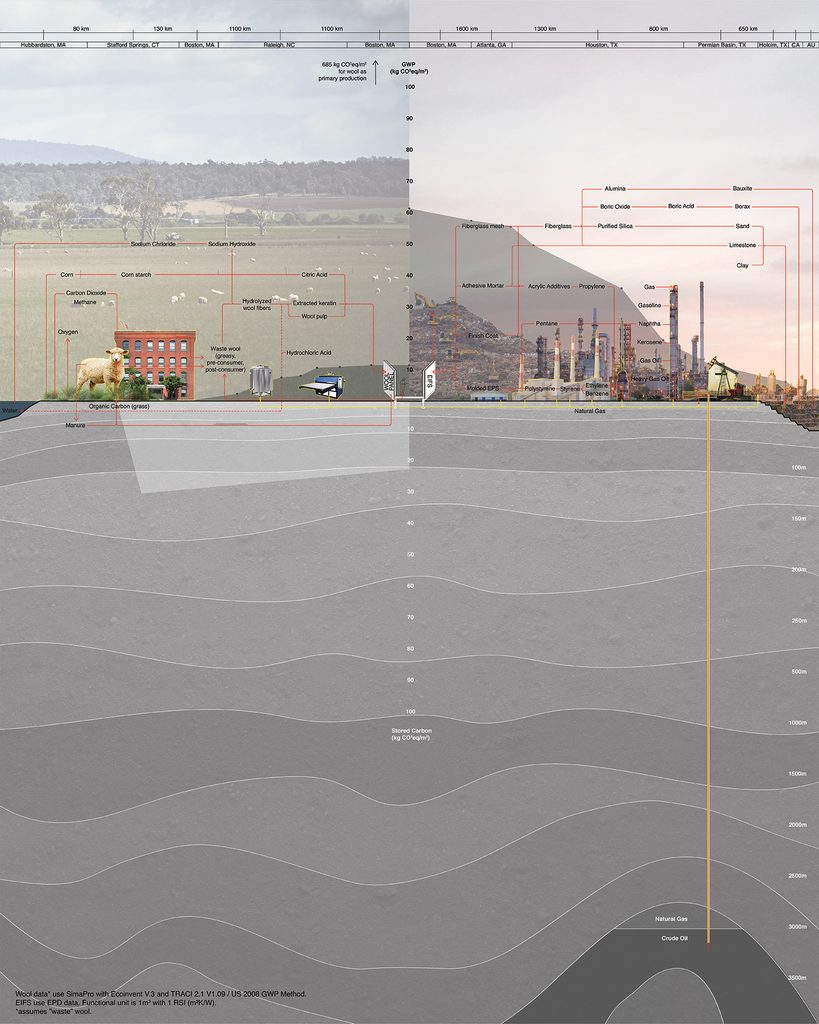
Comparative LCA between exterior wool cladding system (left) and EIFS (right)
References
[1] Abbott, M., Merrett, D. (2019). “Counting the cost: the reserve price scheme for wool 1970–2001.” Australian Journal of Agricultural and Resource Economics. [2] International Wool Textile Organisation (IWTO) (2024). Wool Supply Chain and Market Information. [3] Gowane, G.R., Gadekar, Y.P., Prakash, V., Kadam, V., Chopra, A., Prince, L.L.L. (2017). Climate change impact on sheep production: growth, milk, wool, and meat. In: Sheep Production Adapting to Climate Change. [4] Rajabinejad, H., Buciscanu, I.-I., Maier, S.S. (2019). Current approaches for raw wool waste management and unconventional valorization: a review. Environ. Eng. Manag. J. [5] Parlato, M.C.M., Porto, S.M.C., Valenti, F. (2022). “Assessment of sheep wool waste as new resource for green building elements.” Building and Environment. [6] Senthilkumar, N., Chowdhury, S., Sanpui, P. (2023). Extraction of keratin from keratinous wastes: current status and future directions. J. Mater. Cycles Waste Manag. [7] Giteru, S.G. et al. (2023). “Wool keratin as a novel alternative protein: A comprehensive review of extraction, purification, nutrition, safety, and food applications.” Comprehensive Reviews in Food Science and Food Safety. [8] Zach, J., Korjenic, A., Petr´anek, V., Hroudov´a, J., Bednar, T. (2012). Performance evaluation and research of alternative thermal insulations based on sheep wool. Energy Build. [9] Palmer, L., Oloruntobo, D., Alvarenga, J., Grinham, J. (2026). “Upcycling waste wool for regenerative building retrofits: A biocomposite approach.” Resources, Conservation & Recycling. [10] Dudeja, I. et al. (2023). “Citric acid: An ecofriendly cross-linker for the production of functional biopolymeric materials.” Sustainable Chemistry and Pharmacy. [11] Blignaut, James, Paul Swan, and Lemuel Blignaut. (2026). “A Biogenic Life Cycle Approach towards Estimating the Carbon Intensity of Wool Production: Evidence from Six Australian Case Studies.” Agricultural Systems. [12] International Wool Textile Organization. (2026). “The Green Book: Building Wool’s Environmental Story | IWTO.” [13] Valliere, Samuel W., David E. Prado-Tarango, Jennifer M. Moore, Serkan Ates, and Ricardo Mata-González. (2026). “Conservation Management on an Oregon Livestock Ranch Supports Net Soil Carbon and Nitrogen Storage.” Agriculture, Ecosystems & Environment. [14] Fibershed, “National Mill Inventory: An Exploratory Representation of US Fiber Processing.” 2016. [15] U.S. Department of Agriculture, National Agricultural Statistics Service. (2024). 2022 Census of agriculture: United States summary and state data. [16]ArcGIS StoryMaps. “Discover US Sheep & Wool Trends”(2026). [17] Phillips, Richard B. (2026) “Global Dynamics of the Pulp and Paper Industry – 2026,” North Carolina State University Department of Forest Biomaterials. [18] U.S. Environmental Protection Agency. (2025). TRI basic data files: 2024 national data file.
Sponsors
Harvard University Office of the Vice Provost for Research
Autodesk Research
Harvard University Salata Institute for Climate Change and Sustainability
Harvard Center for Green Buildings and Cities
Harvard Graduate School of Design
American Woolen Company
Textile Waste Supply Company
Collaborators
Joanna Aizenberg and the Aizenberg Lab, Harvard John A. Paulson School of Engineering and Applied Sciences
American Wool Council
The Woolmark Company
Draper Knitting Company
R.H. Lindsay Company
Dr. Richard A. Venditti, Professor, North Carolina State University, Department of Forest Biomaterials
Connor Geraghty, North Carolina State University, Department of Forest Biomaterials
Thomas Schroeder, Assistant Professor, North Carolina State University, Wilson College of Textiles
Lee McDonald, Tools for Paper
Nicky Rhodes, Harvard Graduate School of Design
Donald Oloruntobo, Harvard Graduate School of Design
Mia Montrose, Harvard College
Burton LeGeyt, Harvard Graduate School of Design
Stephen Spodaryk, Harvard Graduate School of Design
Rachel Vroman, Harvard Graduate School of Design
Gustov Fagerstrom, Walter P. Moore