2015 Fellows
EN BICI: Hyperlocalized explorations of biking as a tool for urban resilience in Mexico City
Carlos Hernandez-Tellez | Master in Architecture
Michael Meo | Master in Architecture
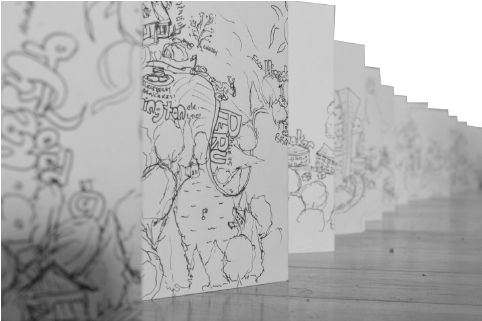
Our research is motivated by the notion of the bicycle as a tool of urban resilience in Mexico City, a metropolis plagued by traffic congestion. We seek to explore, discover, and document the way in which the bicycle defines and transforms one’s perception of the city. Through the lens of Everyday Urbanism, and by embracing the role of the researcher as immersed in everyday life as opposed to removed from it, we will join and study people’s bipedal journeys through the urban landscape.
INVISIBLE INFRASTRUCTURE: Mapping the temporal water distribution network of Pipas in el Distrito Federal
Jesica Bello| Master of Architecture in Urban Design
William Rosenthal | Master of Architecture in Urban Design
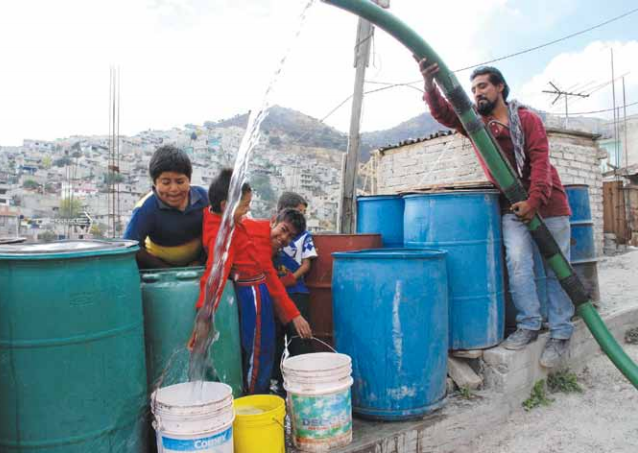
Topographic, political, economic, and resource constraints have created unique challenges for Mexico City’s water distribution system. These conditions contributed to the development of Pipas, water delivery trucks that provide flexible relief from acute and chronic shortages. Though not formally part of the water system, residents’ dependence on Pipas has led to their formalization in some areas. This project will map the political and social dimensions of this system alongside GPS data from delivery trucks. What is the range of their distribution network? How does it affect daily life? Who is served, and how often? We will begin by focusing on a single delegation in Mexico City.
NESTED INFORMALITIES: Central de Abasto and it’s Network of Informal Markets
Yi Li | Master in Architecture
Dennis Harvey | Master in Design Studies
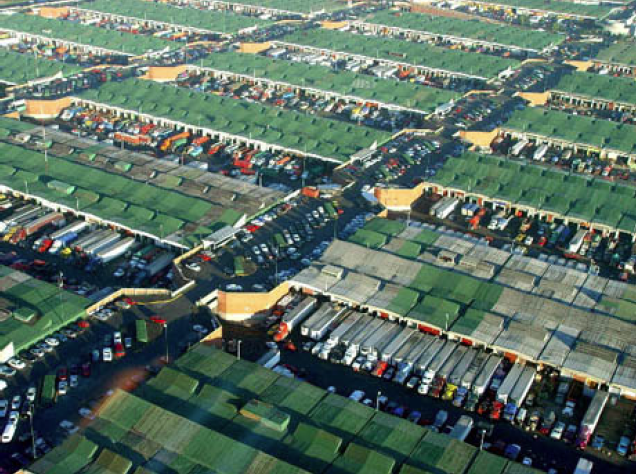
Urban resilience depends on flexible, layered infrastructure, yet food distribution faces growing pressure from expanding consumption. As Mexico City’s largest experiment in centralized economic infrastructure, Central de Abasto supplies 80% of the metropolitan area’s food. We study the resilience of Mexico City’s food distribution system through Central de Abasto and its network of informal markets, focusing on three conflicts: growing urban demand and the displacement of supply nodes to the hinterland; informal market traditions and centralized planning; and localized food systems and industrial-scale supply chains.
HOUSING RESILIENCE: The Life Cycle of Social Housing in CDMX
Irene Figueroa Ortiz | Master in Architecture, Master in Urban Planning
Margaret Scott | Master in Urban Planning
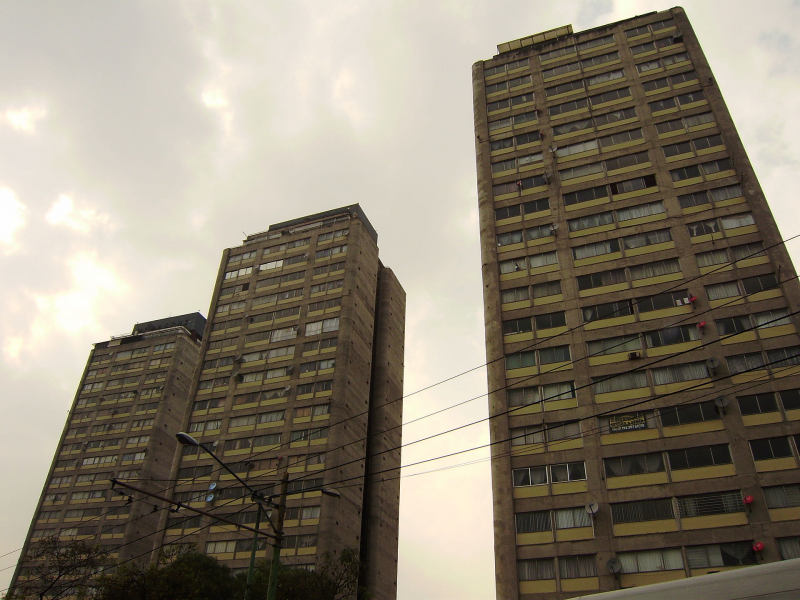
Housing Resilience captures and categorizes the strategies of incremental modification that have taken place in social housing developments across Mexico City since their construction in the 1960s and 1970s. The investigation serves not only as a visualization of the diversity of social housing typologies and their eventual adaptations, but also as a platform for housing advocates and policymakers to better understand how specific housing adaptations may serve to mitigate housing deterioration or even to prevent housing abandonment.