De la Porqueria al Público / From Pigsty to Publics
Miriam Hernandez Medina | Master in Landscape Architecture II
Gemrisha Anantham | Master in Landscape Architecture I
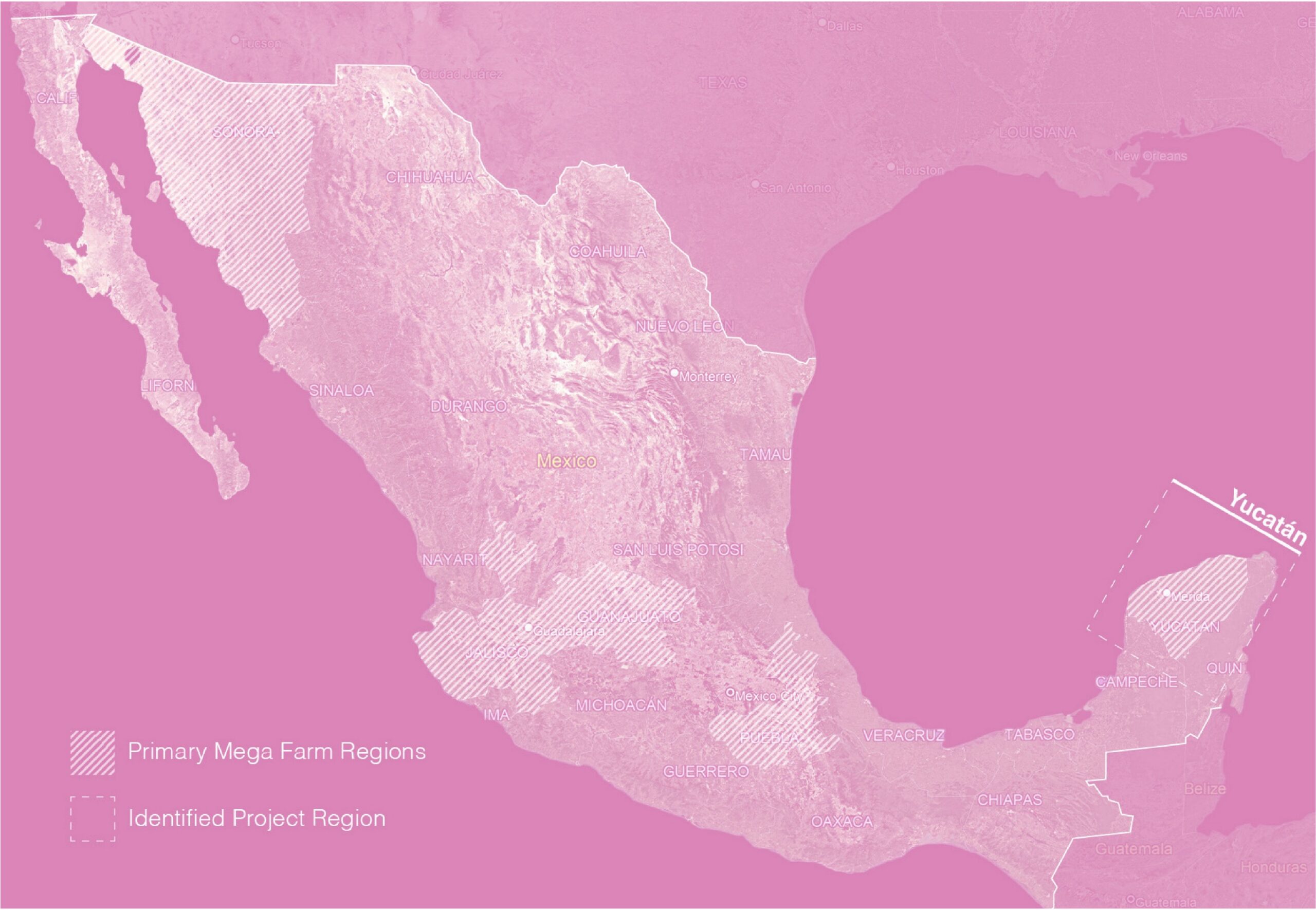
MCI ’25 Summer Fellows Gemrisha Anantham and Miriam Hernandez Medina’s research investigates the contamination of the Yucatán Peninsula’s karst aquifer by the region’s pork industry, a project that shifted in direction after repeated access to pig farms, from small operations to major producers like Kekén, was denied due to biosecurity protocols and producer wariness stemming from recent regulatory crackdowns.
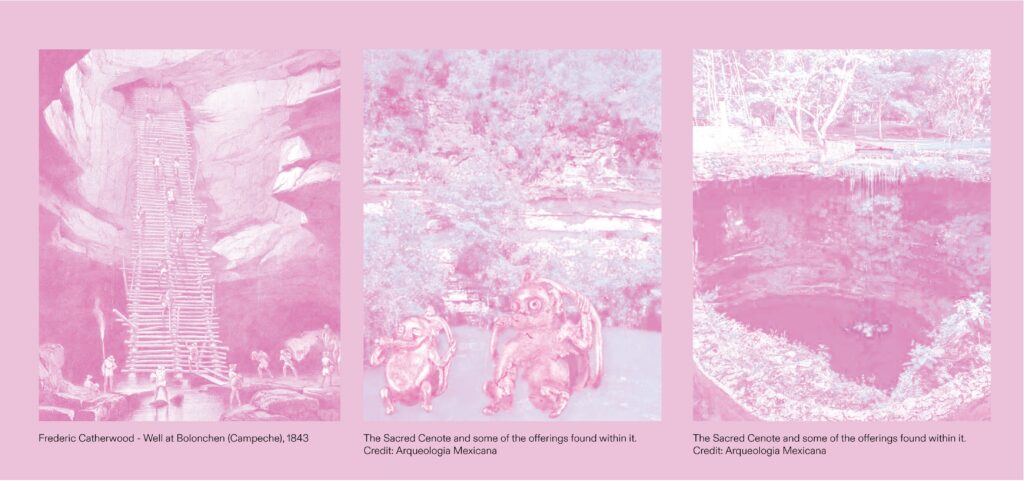
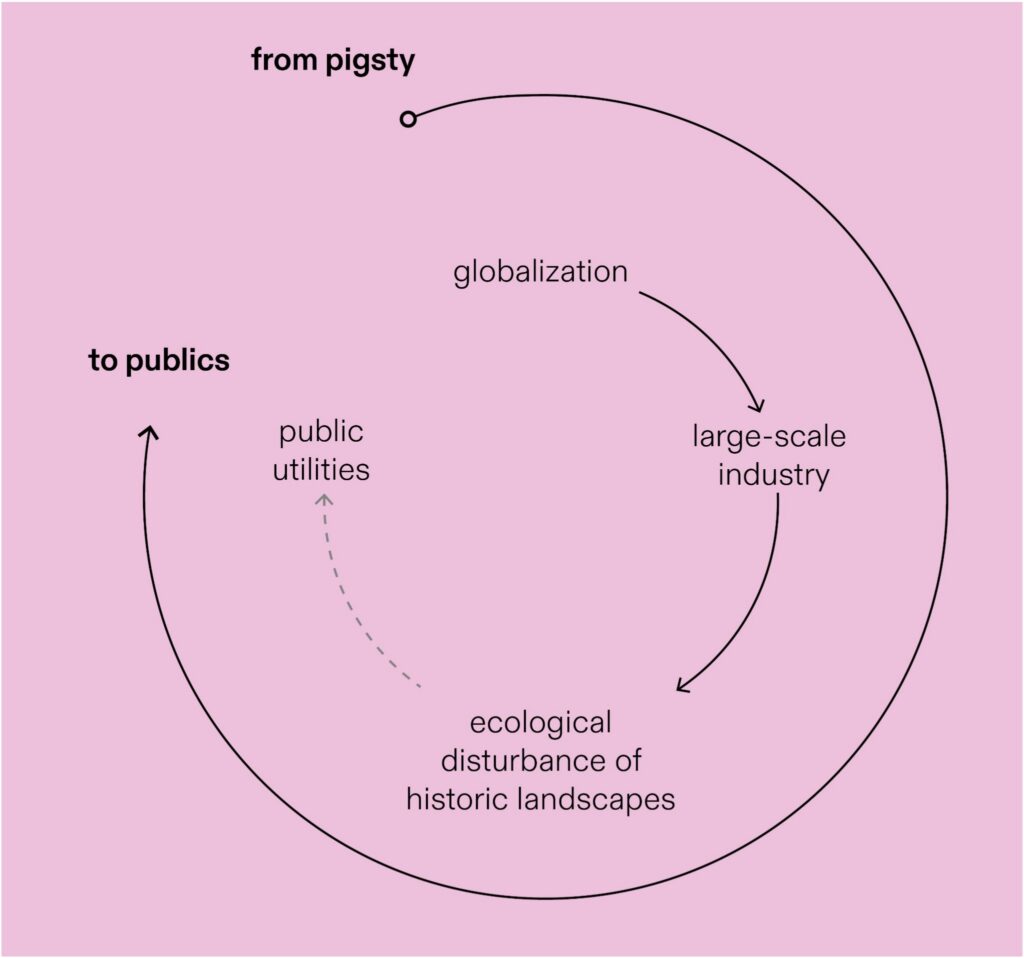
In response, the researchers broadened their fieldwork to trace the aquifer’s environmental dynamics through visits to cenotes, springs, coastlines, and natural reserves, and through conversations with local experts including restoration ecologist Paul Morris and Agronomy Engineer Sophia Ortiz of the Resilient Ecosystems Institute, whose land offered an aerial vantage point for reading pig farms from above. That method anchored a proposal to study the region’s farms through aerial imagery, informed by an exhaustive geolocation of facilities across the peninsula. Rather than treating the farms as a problem to be eliminated, the project holds their environmental impact alongside the pig’s deep role in local economies and daily life.
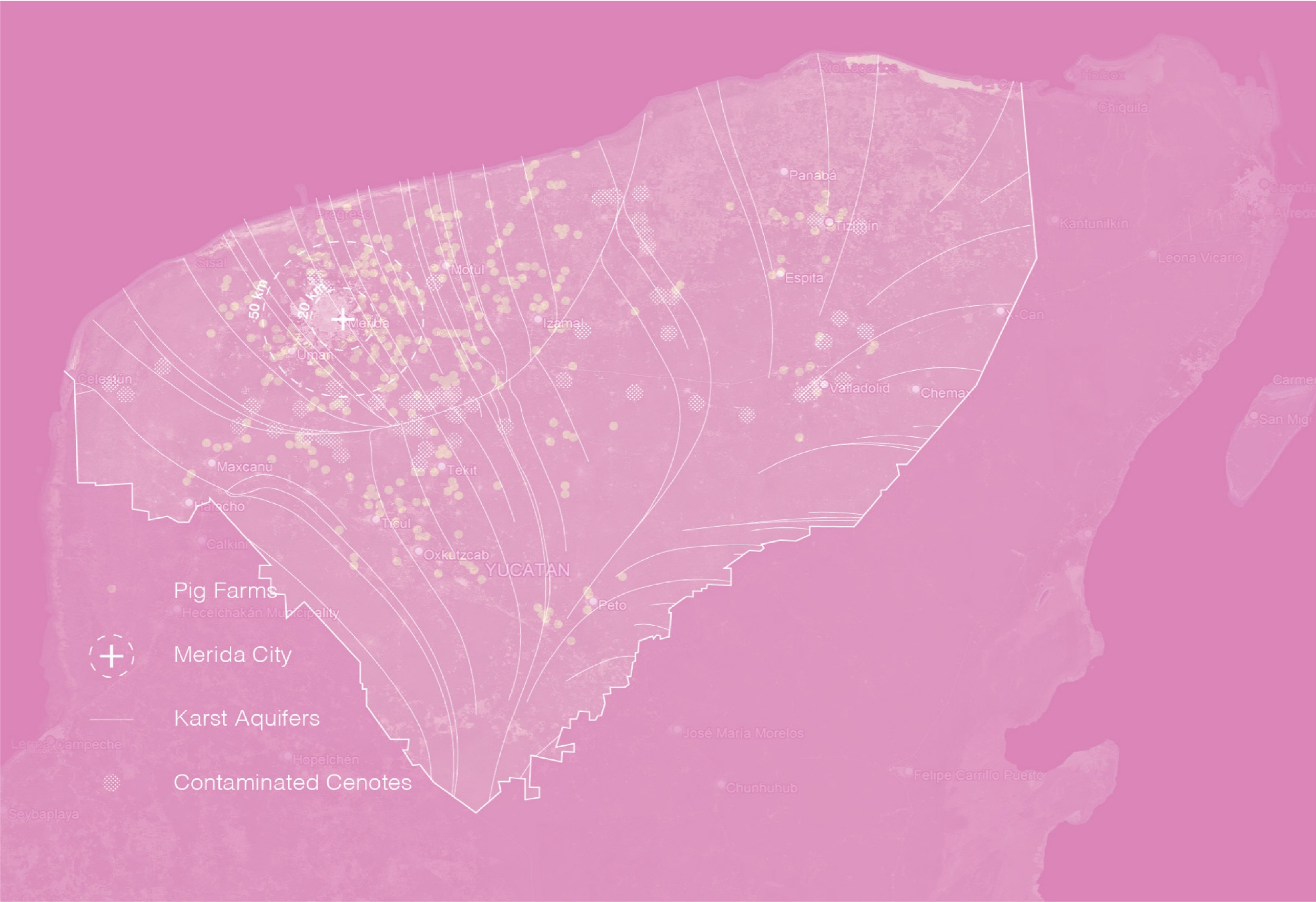
The work points to an opportunity for the GSD’s Landscape program to more fully engage food systems as a core part of landscape thinking, showing agricultural production as inseparable from ecological processes, cultural practice, and territorial governance, and expanding landscape’s scope toward a view of food systems as active agents in shaping lived environments.