2016 Fellows
Semiotics of Urban Empowerment Through the Lens of Open Spaces in Mexico City
Anna Falvello Tomas | Master of Architecture
John Going | Master of Architecture
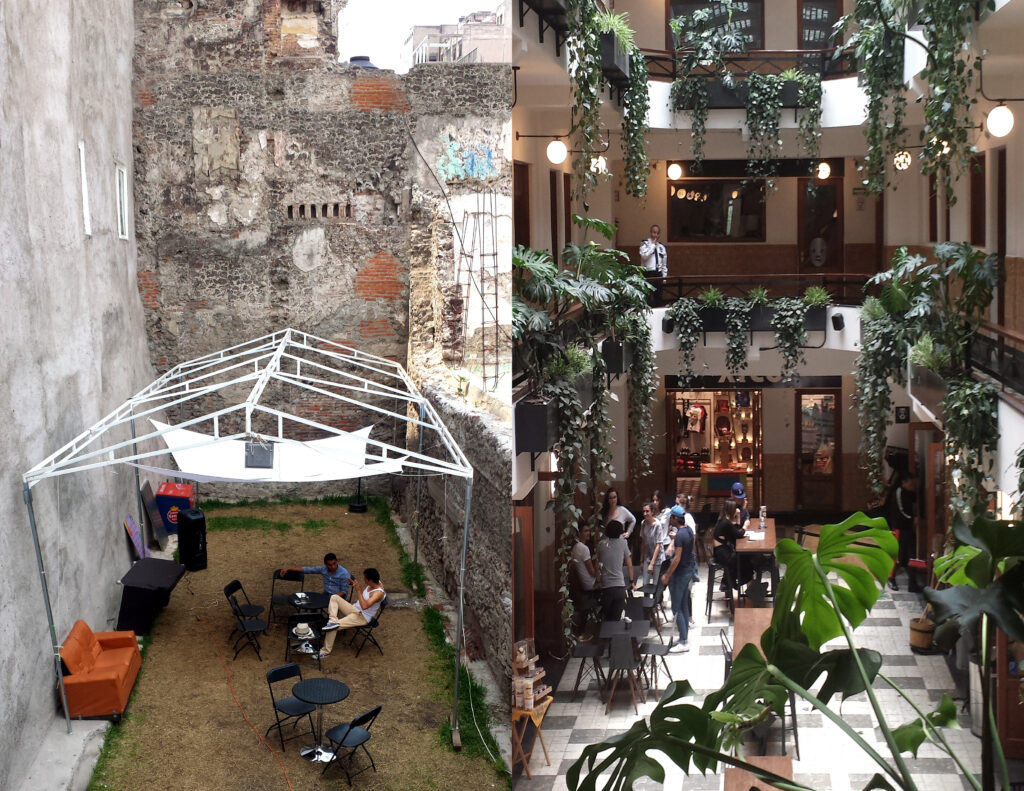
Today, open spaces in Mexico City increasingly divide along social and economic lines. For typical residents of the DF, the private domestic patio is vanishing amid overcrowding, while public spaces like the Zocalo face growing contestation and policing. The economic elite retain patios within private homes or access them through exclusive “public” spaces, as businesses turn away from the street toward patios reserved for those who can pay. Open spaces in the city are thus segregated by purchasing power rather than truly democratic. Our project examines the semiotics of the semi-public patio across varied uses, economic strata, ownerships, histories, and accessibilities, focusing not only on economically exclusive patios but also on those that empower less privileged communities. The patio, straddling public and private, becomes a lens for examining broader issues of open space in the DF.
Domestic Labor: The Invisible Paths
Jesica Bello| Master of Architecture in Urban Design
William Rosenthal | Master of Architecture in Urban Design
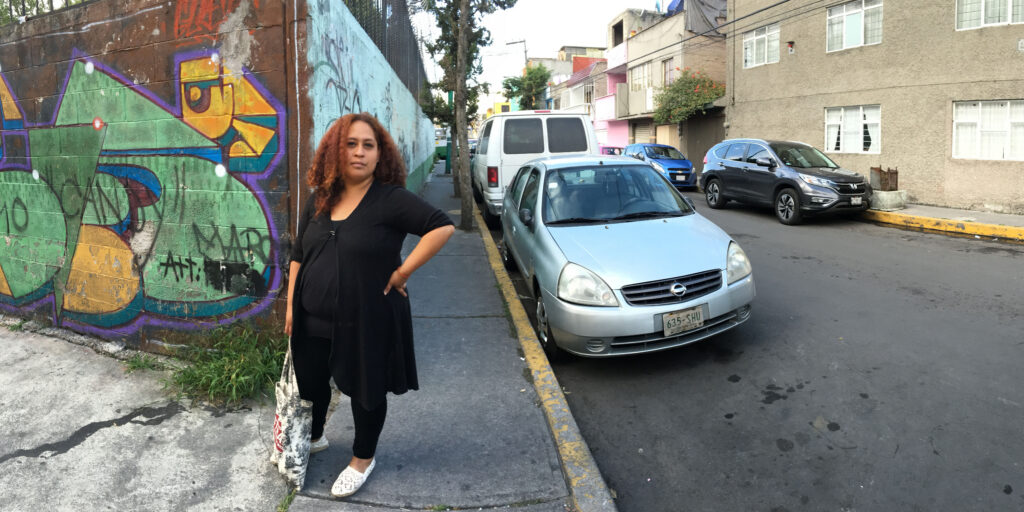
The investigation situates domestic workers in Mexico City to illustrate imbalanced power structures, problematic mobility infrastructure amid rapid urban growth, and the resilience of these laborers. Through interviews and everyday urbanism, the project maps workers’ individual stories, residential zones, and daily city paths, connecting them to their families, dwellings, and labor networks, while examining how work formalization policy and transport networks affect their commutes and right to time. In collaboration with UN Women, ILSB, CACEH, SINACTTRAHO, UNAM, Mapatón, and Aliada, the project also connects organizations empowering domestic workers, making visible their situation as transport users, city immigrants, and urban sprawl victims.
Yucatán Initiative: Informing decision-making through mapping analysis of cultural assets in the Yucatán Peninsula
Alejandro Fernández-Linares García| Master of Architecture
Alex Duffy | Master in Design Studies
Arianna Galán | Master of Architecture II
Chris Liao | Master of Landscape Architecture
Marysol Rivas Brito | Master of Architecture II
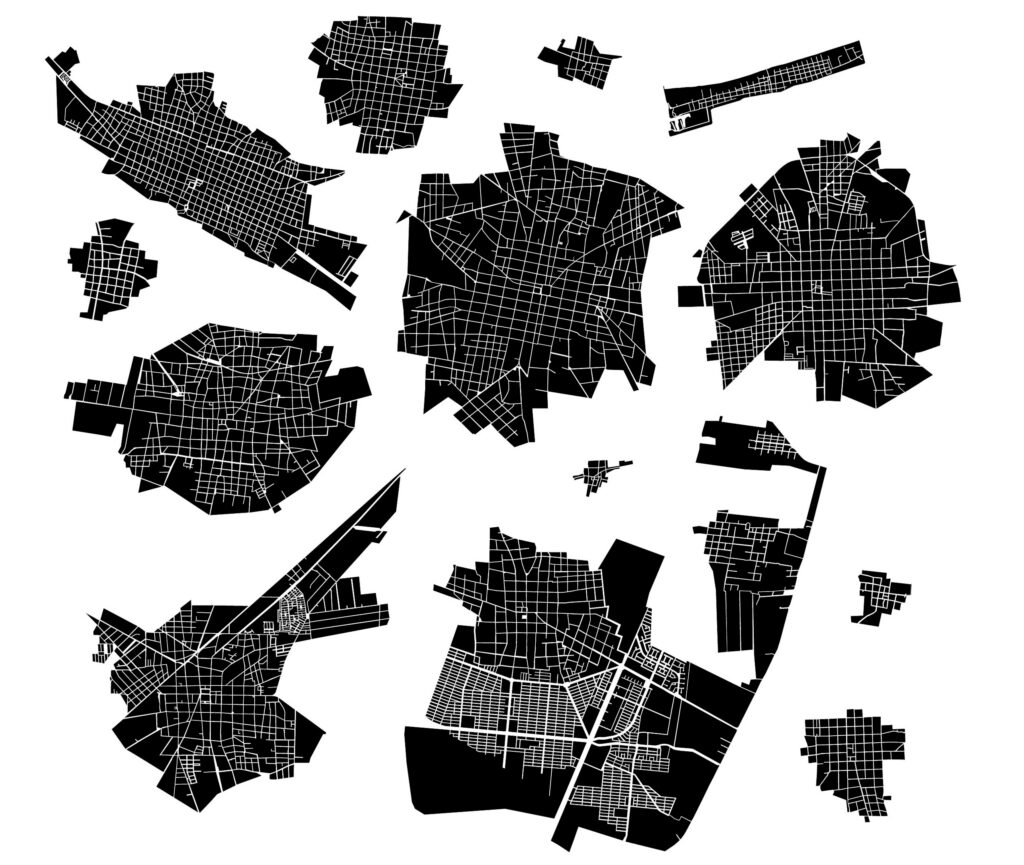
This research aimed to develop a visual dictionary for the cities of the Yucatán Peninsula. The final product seeks to inform stakeholders about the existing built environment of the region as a supporting guide for future urban interventions. Students from Harvard GSD and the Universidad Marista conducted research and gathered data over 5 weeks on a dozen selected cities, developing and feeding a digital platform as well as a publication. The project was also supported by the Baktún Alliance (constituted by “Universidad Marista”, “INAH” – National Institute of Anthropology and History – and “Transformación Arte y Educación”), by Infonavit and by UNESCO.
Holding It Together: Self-Provision and Institutional Management of Trash and Mobility Networks in Kanasín, Yucatán
Caroline Filice Smith | Master of Architecture in Urban Design
David Schoen | Master in Urban Planning, Master of Landscape Architecture
Juan Santa María | Master of Architecture in Urban Design
Ruben Segovia | Master of Architecture
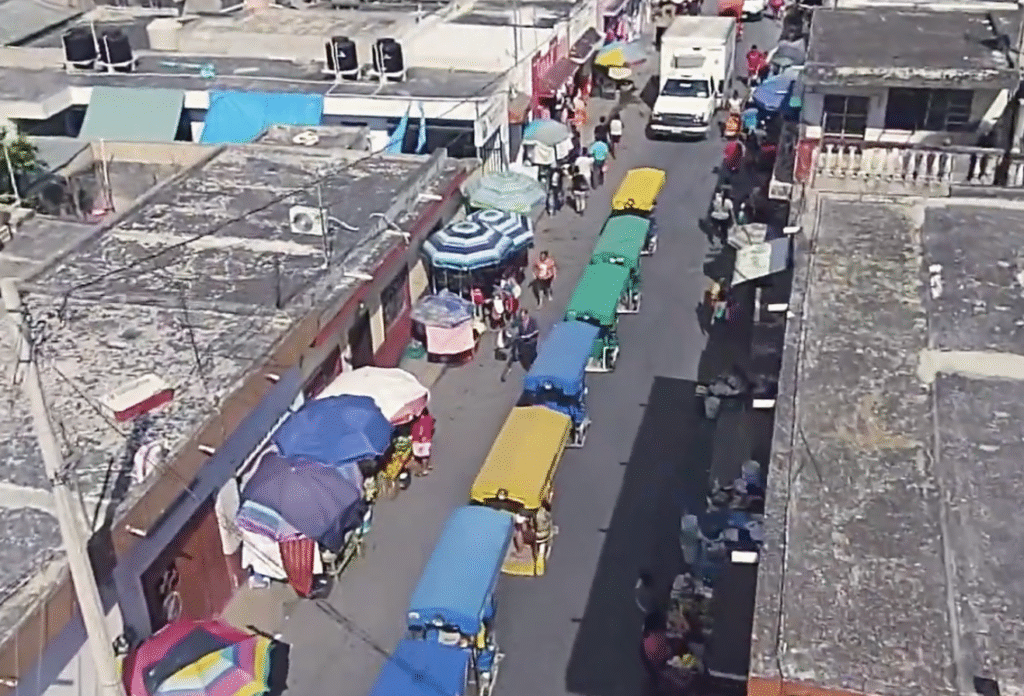
Within a national context of rapid urbanization fueled by under-regulated social housing development and rural-urban migration, state-led liberalization and decentralization policies have created severe infrastructural service gaps across Mexico’s urban-periphery municipalities. Kanasín, the second fastest-growing and most densely populated urban center in Yucatán, struggles with both rural-urban and intra-urban migration from increasingly unaffordable Mérida, making it a foundational case study for understanding service provision issues nationwide. Per the UN’s “Índice Básico de Prosperidad Urbana,” Kanasín lacks the institutional capacity to fund infrastructural upgrades, creating gaps in trash management and mobility networks. This project examines institutional and citizen responses to these gaps, investigating the social and political repercussions of infrastructural insecurity.