Clay as Living Archive
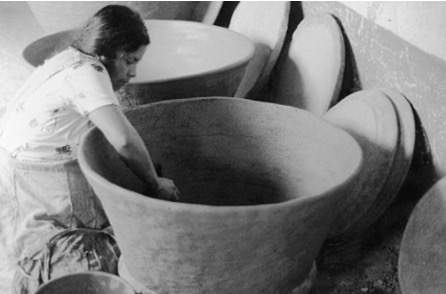
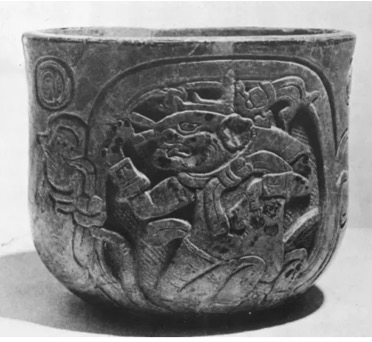
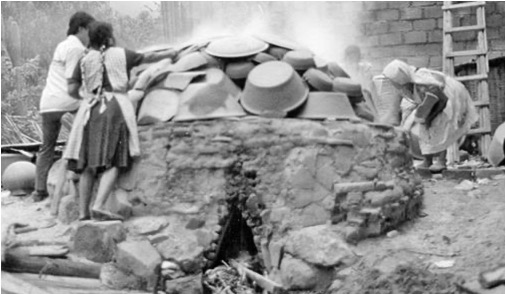
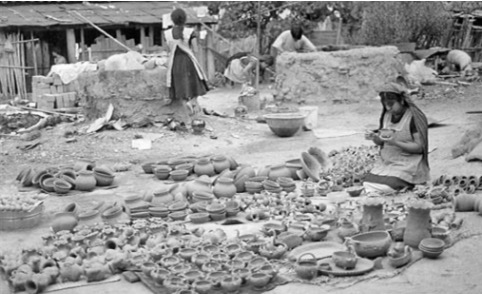
What can a planner learn from a pot? MCI Fellow Lys Otárola (MUP ’26) presents her 2025 research arguing that the pottery practice of Oaxaca’s red clay communities constitutes a living archive of design intelligence, a system in which social infrastructure, embodied knowledge, communal governance, and ecological reciprocity are not separate concerns but a single, integrated practice. What the pot teaches planning is that the most durable urbanism is not designed from above and delivered downward. It is built from within, through the commons, through craft, through decisions made across generations, with people rather than material at its center. The red clay pieces from the community of San Marcos Tlapazola, the comal, the olla, and the cazuela, emerged as direct responses to the everyday needs of life in Oaxaca’s Central Valleys, shaped by a deep relationship between community, land, and traditional cooking. Worked entirely by hand without a wheel, the clay offers an even distribution of heat that reflects empirical knowledge accumulated across generations and passed down primarily by women who have preserved and adapted these ancestral techniques over time. Each piece fulfills a practical function while embodying the story of a community that found in pottery a means of livelihood, identity, and connection with the natural world, a living tradition that remains essential in the kitchen today even as it stands as a symbol of cultural resilience and sustainability.